Recently, Xuzhou Central Hospital published a special article titled 'Rethinking Constipation—The Overlooked "Invisible Health Killer"' in the national medical journal Physician Online. The article systematically reviewed the potential harms of constipation on multiple systems, including the digestive, cardiovascular, and endocrine systems, and introduced comprehensive prevention and treatment strategies, including the mechanism of action and suitable candidates for polycarbophil calcium. Through this authoritative medical platform, the article conveys knowledge about gut health and scientific prevention and treatment concepts to the public, drawing widespread attention.
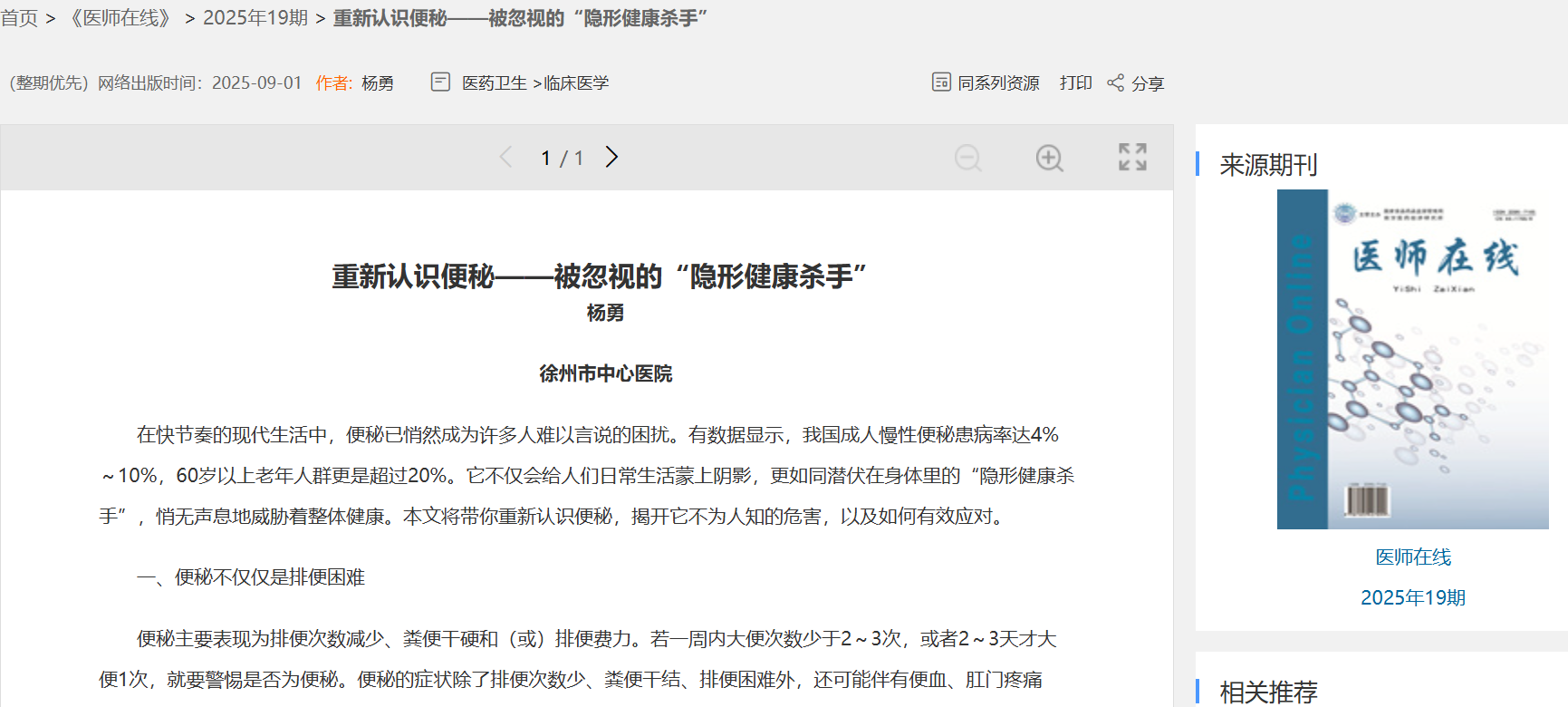
In today's fast-paced modern life, constipation has quietly become a troubling issue that many people find difficult to talk about. Data shows that the prevalence of chronic constipation among adults in China reaches 4% to 10%, and it exceeds 20% among those over 60 years old. It not only casts a shadow over daily life but also acts like an 'invisible health killer' lurking within the body, silently threatening overall health. This article will help you rethink constipation, uncover its hidden dangers, and explore effective ways to deal with it.
1. Constipation is not just difficulty in bowel movements
Constipation is mainly characterized by decreased bowel movements, dry and hard stools, and/or difficulty in defecation. If bowel movements occur fewer than 2–3 times a week, or only once every 2–3 days, it is necessary to be alert to the possibility of constipation. Symptoms of constipation, in addition to infrequent bowel movements, hard stools, and difficulty in defecation, may also be accompanied by blood in the stool and anal pain.
Constipation is divided into two main categories: functional and organic. Functional constipation is mostly related to poor bowel habits, unhealthy dietary habits, and psychological factors. Organic constipation, on the other hand, is mainly caused by certain primary diseases that can lead to constipation, such as colitis, intestinal obstruction, and rectocele. These diseases can directly or indirectly affect the normal function of the intestines, causing defecation disorders.
2. The 'Hidden' Dangers of Constipation Are Beyond Imagination
(1) 'Destroyers' of Gut Health
When feces remain in the intestines for more than 48 hours, it is like triggering a "disaster." Harmful bacteria will massively proliferate in this "fertile ground," breaking down substances and producing toxic compounds such as ammonia and hydrogen sulfide. These toxins are repeatedly absorbed by the intestines, and the first to be damaged is the intestines themselves. Long-term pressure from feces on the intestinal mucosa can easily lead to ulcers and erosion, thereby increasing the risk of intestinal polyps. Moreover, carcinogens in the feces (such as secondary bile acids) in prolonged contact with the intestinal wall can induce cellular malignancy, gradually pushing the intestines into a "cancerous crisis."
(2) The 'time bomb' of cardiovascular and brain health
For patients with cardiovascular and cerebrovascular diseases such as hypertension, coronary heart disease, and cerebral arteriosclerosis, constipation can be considered a 'time bomb' that could go off at any moment. Straining excessively during bowel movements can cause a sudden increase in abdominal pressure, a rapid spike in blood pressure, and a significant increase in heart workload. In real life, such situations are not uncommon. This risk is especially pronounced on winter mornings when blood pressure fluctuates more significantly.
(3) The 'Troublemaker' of Endocrines and Emotions
The accumulation of toxins in the intestines can inhibit leptin secretion, stimulate appetite, and cause imbalances in the gut microbiota, making the body more prone to "absorbing fat." Moreover, these toxins can spread through the bloodstream, leading to acne, dark spots, dull skin, and other skin problems, even accelerating wrinkle formation. In addition, the gut is known as the "second brain." When constipated, the nerves in the intestines release large amounts of serotonin (a neurotransmitter related to anxiety), causing unexplained irritability and insomnia, creating a vicious cycle of "constipation-anxiety-more constipation," which seriously affects mental health.
3. Revealing the Causes of Constipation
First, poor dietary habits. In modern life, many people have overly refined diets, favoring various processed foods and meats while consuming insufficient foods rich in dietary fiber. This can slow down intestinal peristalsis, causing stool to remain in the intestine for too long, with excessive water absorption, making it hard and dry to pass, thereby leading to constipation. Second, lack of exercise. With the increasing pace of modern life, more and more people spend long periods sitting in front of computers for work or study, or are engrossed in electronic devices, lacking adequate physical activity, which can result in insufficient intestinal motility. Third, ignoring the urge to defecate and holding in stool for a long time. If the urge to defecate is often ignored, the rectum's sensitivity to stool stimulation decreases, normal defecation reflexes are suppressed, and over time, the intestines may forget how to function properly, leading to constipation.
4. Preventing and Treating Constipation Cannot Be Delayed
(1) Adjust the dietary structure
Increasing dietary fiber intake is a key step in improving constipation. Eat more fresh vegetables, such as spinach, celery, and broccoli. They are rich in dietary fiber, which can promote intestinal peristalsis. As for fruits, apples, bananas, and pears are also good choices as they can help with bowel movements. Whole grain foods such as oats, brown rice, and whole wheat bread can also increase stool bulk and make defecation smoother. At the same time, make sure to drink plenty of water, at least 1.5 to 2.0 liters per day, as adequate hydration keeps stools moist and easier to pass.
(2) Moderate exercise
Regular, moderate-intensity exercise can help improve constipation. If you experience constipation, you should engage in at least 150 minutes of moderate-intensity aerobic exercise per week, such as brisk walking, jogging, or swimming. These exercises can promote overall blood circulation and enhance the contraction ability of the intestinal muscles, speeding up bowel movements. You can also perform some abdominal-targeted exercises, such as sit-ups and planks, which can strengthen the abdominal muscles and aid in defecation.
(3) Develop Good Bowel
HabitsColon activity is most active upon waking in the morning and after meals. It is recommended that patients try to have a bowel movement in the morning or within two hours after meals. Having a regular daily bowel schedule helps establish a healthy bowel rhythm. When having a bowel movement, focus your attention and minimize external distractions, such as not using your phone, reading, or watching TV. Try to shorten the duration of bowel movements and avoid prolonged squatting. If there is no urge to defecate within 5–10 minutes, do not force it; try again later.
(4) Rational Use of Medications

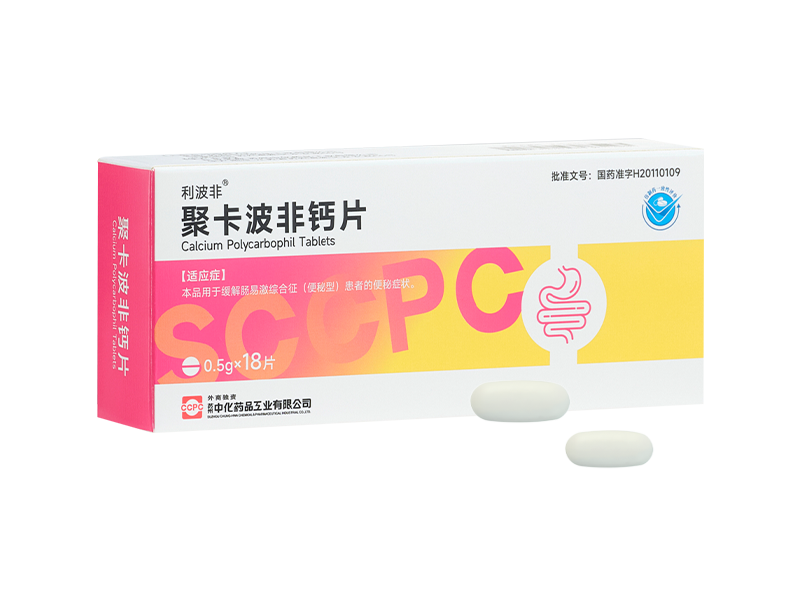
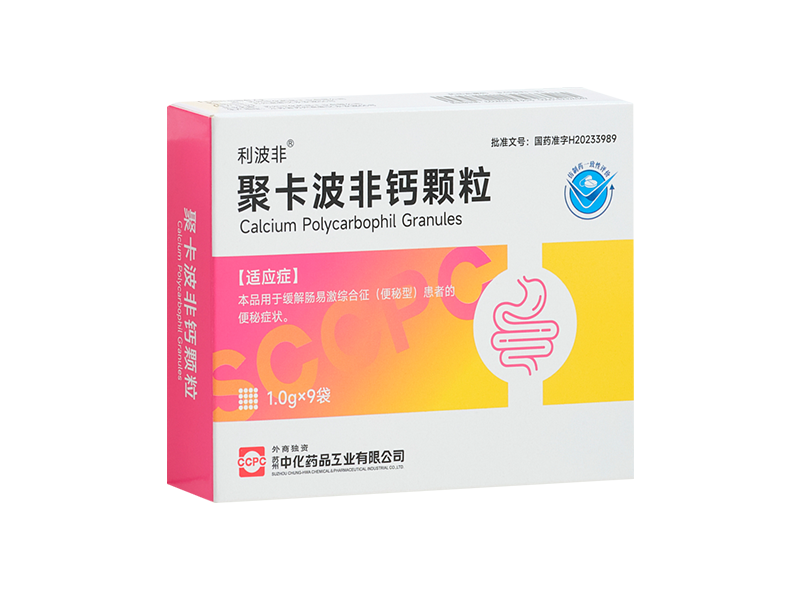
When constipation is severe and self-management is ineffective, medication can be used reasonably under the guidance of a doctor. Polycarbophil calcium, as a bulk-forming laxative, is a commonly used and effective option. It is not absorbed by the intestines, can absorb water in the intestines, increase stool volume, stimulate intestinal peristalsis, and promote bowel movements. It can be used for chronic constipation, irritable bowel syndrome, diverticular disease, as well as constipation in pregnant women, the elderly, and patients in recovery. When using polycarbophil calcium, it is important to follow medical advice and take it in the correct dosage and course to ensure medication safety and effectiveness.
In short, constipation is not a trivial matter. It acts like an 'invisible health killer' hidden within the body, potentially causing serious harm to multiple systems including the intestines, cardiovascular system, endocrine system, and immune system. By understanding the definition, dangers, causes, and prevention and treatment methods of constipation, we can take proactive and effective measures in daily life to prevent and alleviate constipation problems. Paying attention to intestinal health starts with taking constipation seriously, allowing our body to regain vitality.
References: [1] Yang Yong. Rethinking Constipation—The Overlooked 'Invisible Health Killer' [J]. Physician Online, 2025, 19. DOI: 0dpo61l19j/9386669.
Scan to view the original text


 Fulexin® Cefuroxime Axetil Tablets
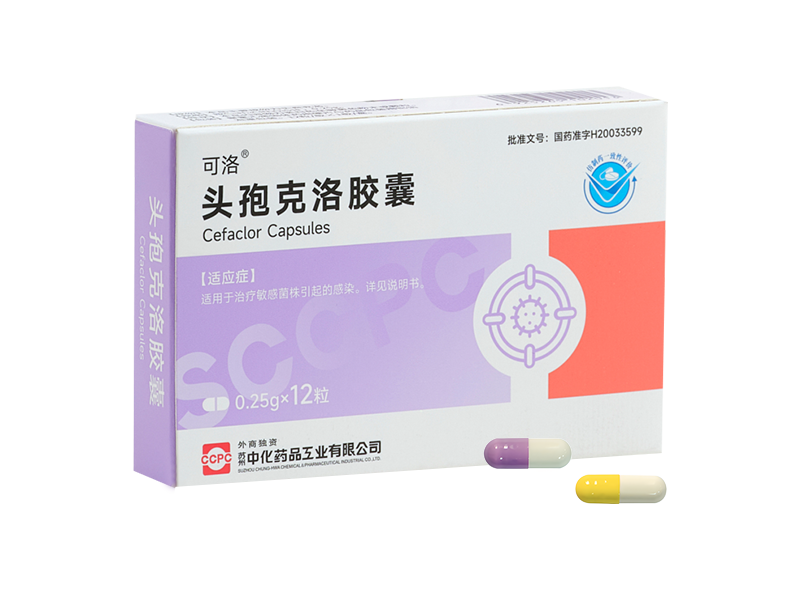 Keluo® Cefaclor Capsules
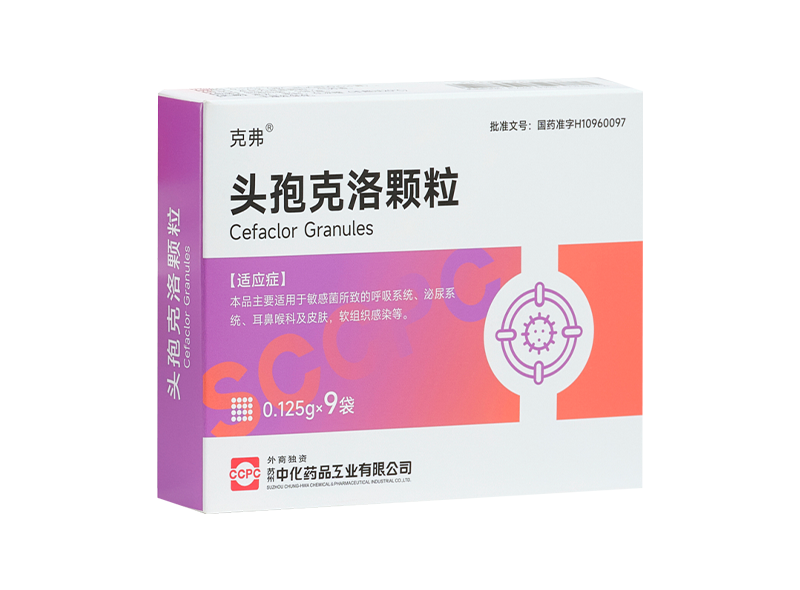 Kefu® Cefaclor Granules
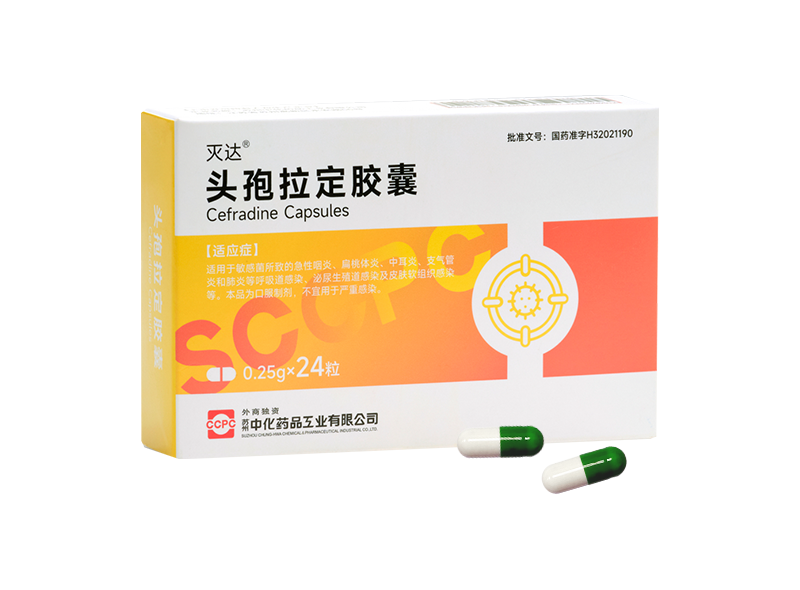 Mieda® Cefradine Capsules
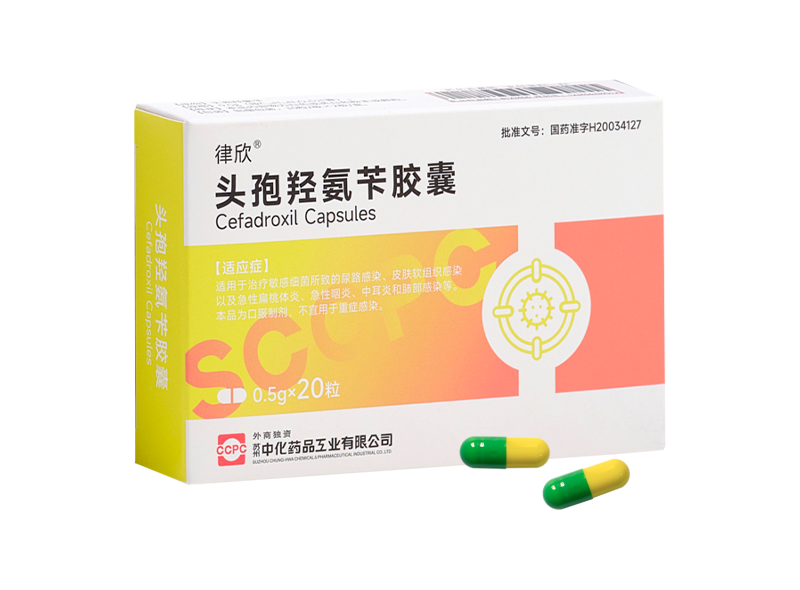 Lvxin® Cefalexin Capsules
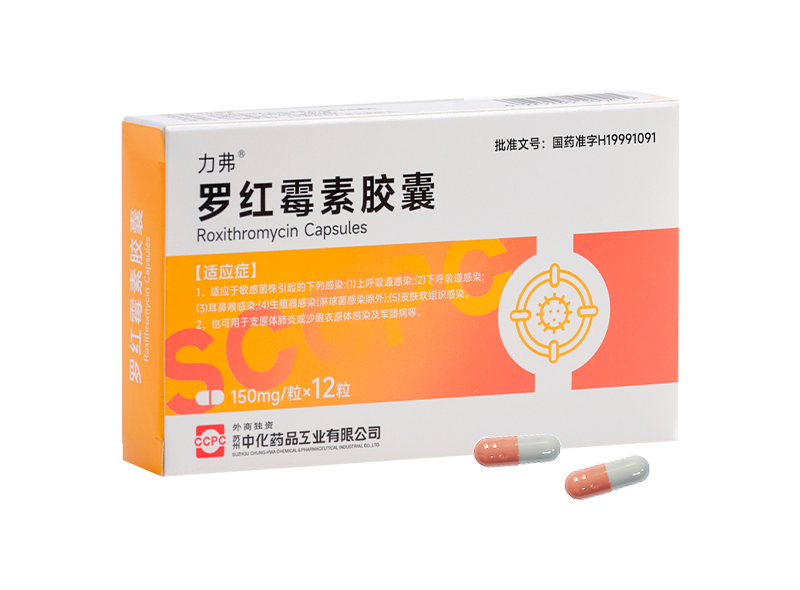 Lifu® Roxithromycin Capsules
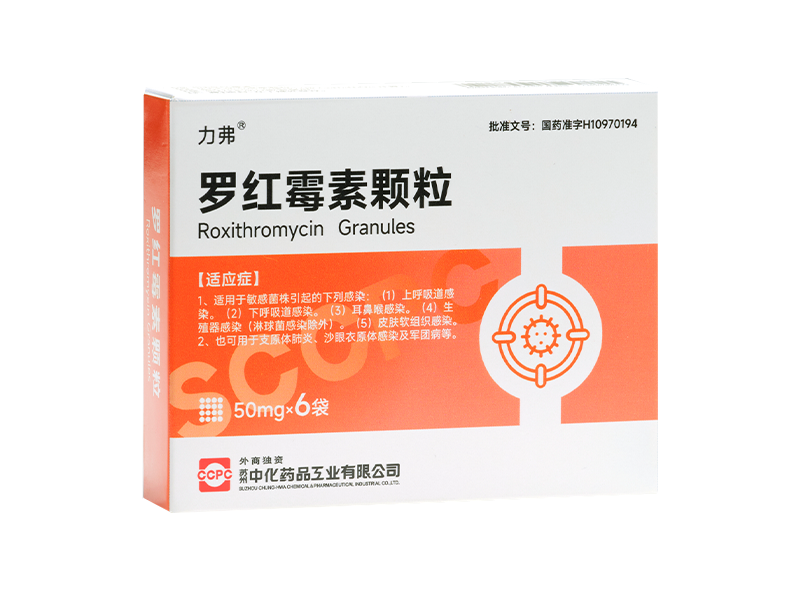 Lifu® Roxithromycin Granules
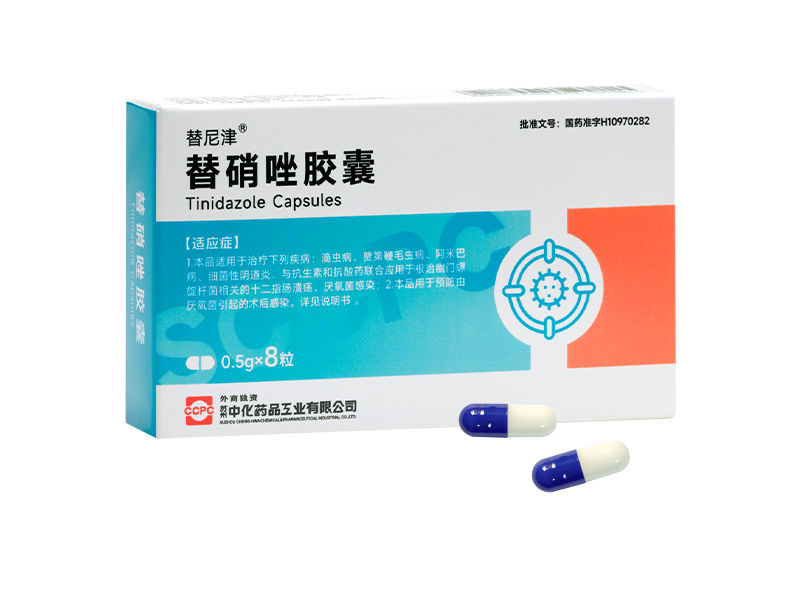 Tinijin® Tinidazole Capsules
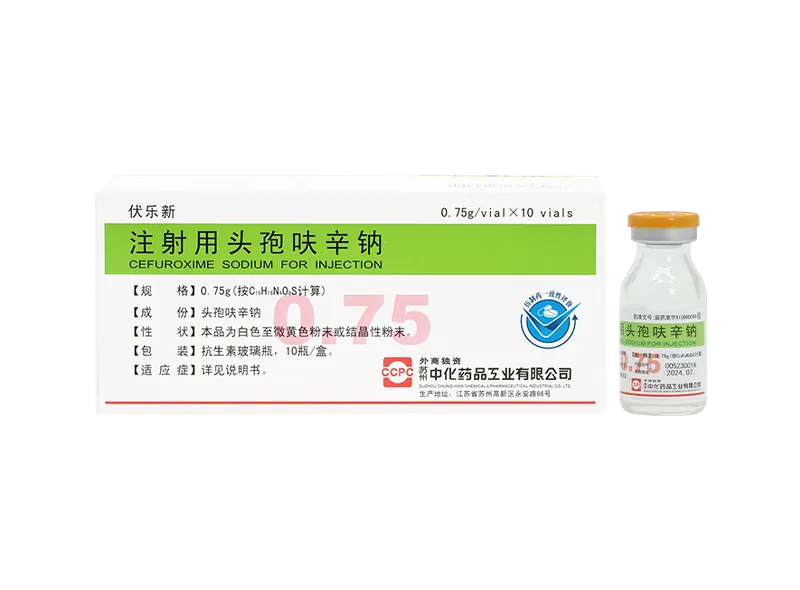 Fulexin® Cefazolin Sodium for Injection
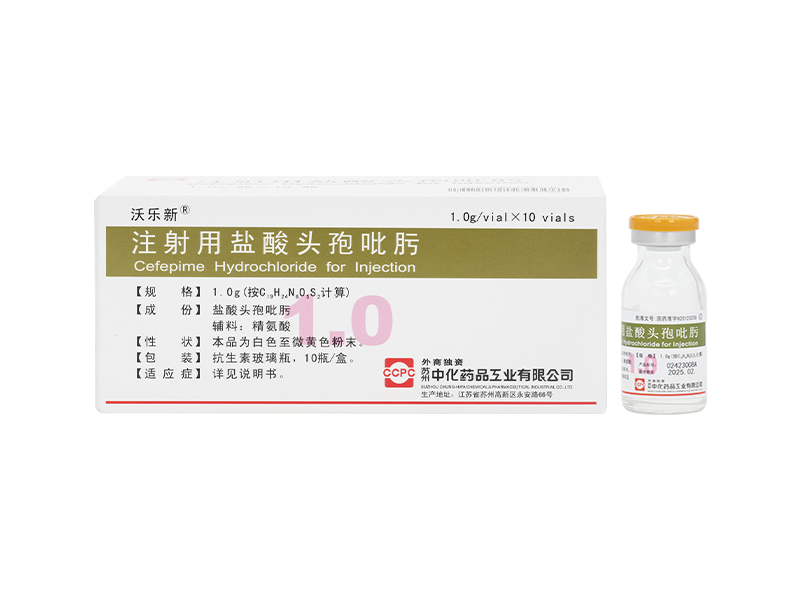 Wolexin® Cefepime Hydrochloride for Injection
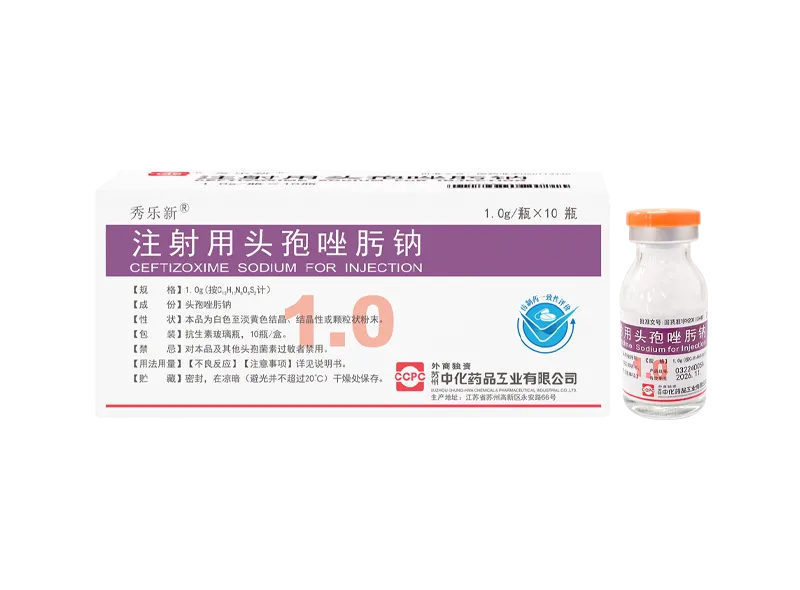 Xiulexin® Ceftizoxime Sodium for Injection
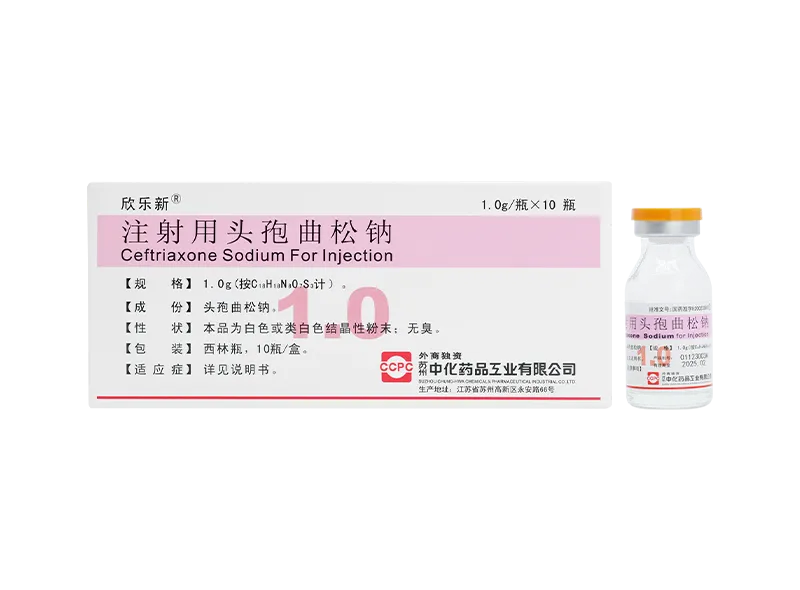 Xinlexin® Ceftriaxone Sodium for Injection
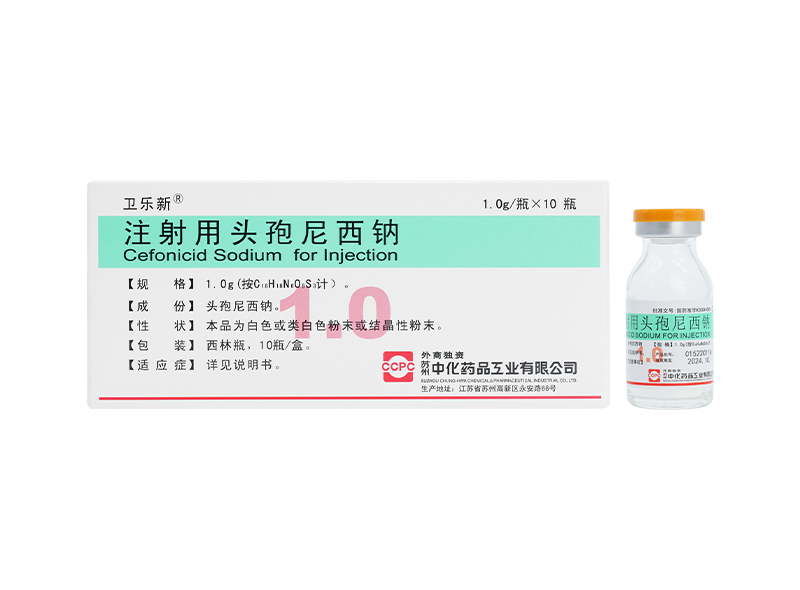 Weilexin® Cefonicid Sodium for Injection
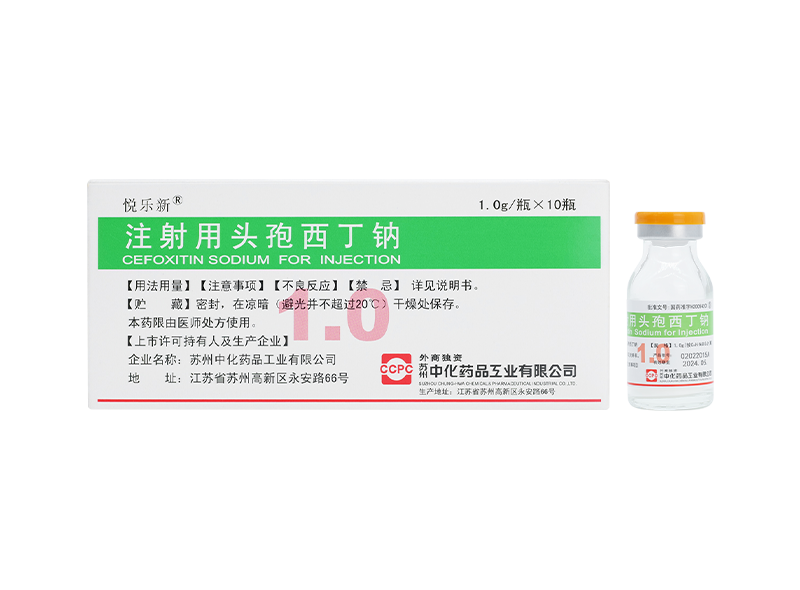 Yuelexin® Cefoxitin Sodium for Injection
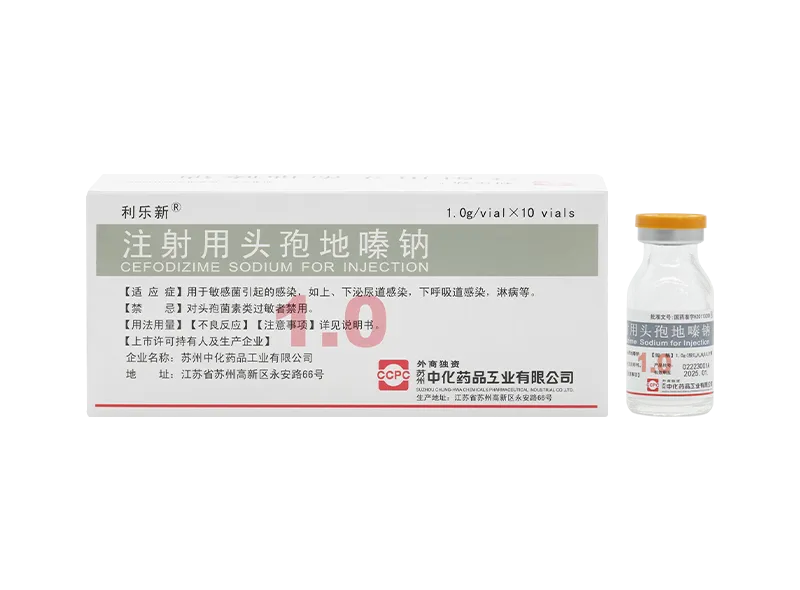 Lilexin® Cefodizime Sodium for Injection
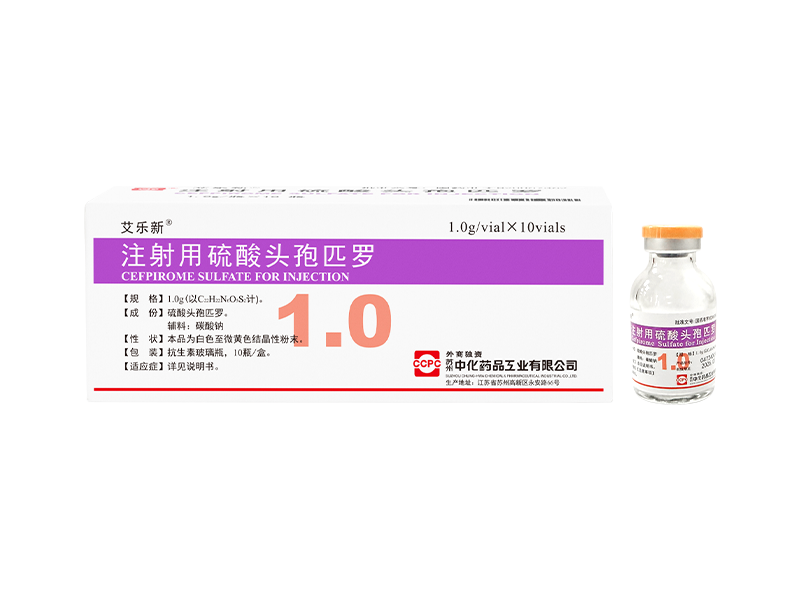 Ailexin® Cefpirome Sulfate for Injection