October 29th each year is World Stroke Day, aimed at raising global awareness of strokes. Stroke is the second leading cause of death worldwide. Among the many risk factors for stroke, hypertension is one of the main risk factors for cerebral stroke and is also the most important modifiable risk factor.
1. Silent Threat: Hypertension is an independent risk factor for stroke
If we compare our blood vessels to water pipes, blood is the water flowing inside the pipes. Blood pressure is the pressure of the water against the pipe walls. When the pressure remains consistently high, that is, in the case of hypertension, it becomes a direct and persistent risk factor for stroke. Studies have shown that for every 10 mmHg increase in systolic blood pressure, the risk of stroke in Asian populations increases by 53%.
2. From the inside out: Hypertension damages our blood vessels
The damage of hypertension to blood vessels is gradual and potentially fatal, mainly reflected in two aspects:'Injuring' the blood vessels: The long-term impact of high-pressure blood flow directly harms the vascular endothelium, triggering atherosclerosis and forming plaques. These plaques narrow the vessel lumen, impede blood flow, and easily lead to cerebral infarction.'Weakening' the blood vessels: To adapt to sustained high pressure, the vessel walls thicken and harden compensatorily, losing their elasticity. Hardened vessels are very fragile and can easily rupture during sudden spikes in blood pressure, causing cerebral hemorrhage and posing a life-threatening risk.
3. Take proactive measures: Controlling blood pressure is one of the key strategies for preventing stroke.
By effectively controlling blood pressure, the risk of stroke can be reduced by approximately 35%-40%.
Preferred Medication: Single-Pill Combination Therapy — A Powerful and Convenient New Option for
HypertensionSingle-pill combination therapy (SPC) combines two or more antihypertensive drugs with different
mechanisms into one tablet, such as the commonly used telmisartan-amlodipine and telmisartan-hydrochlorothiazide tablets. The advantages of SPC include:
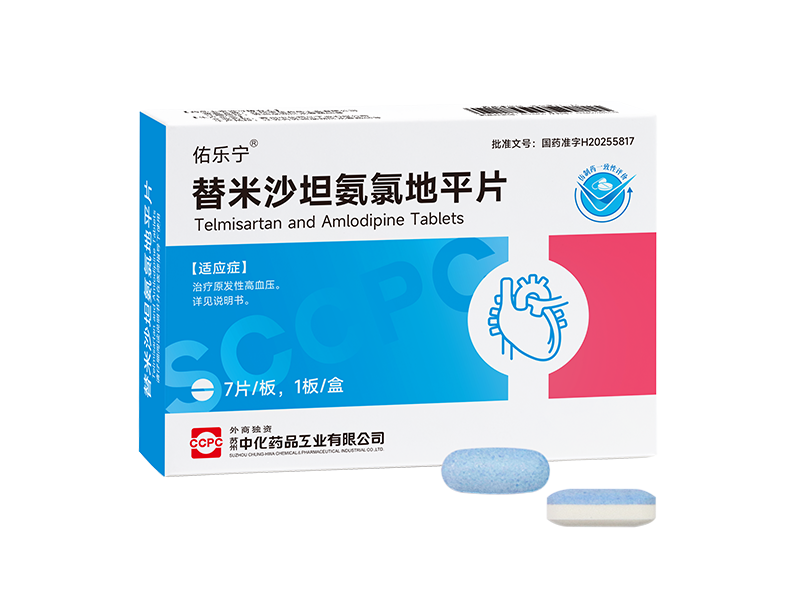
(1). Synergistic effect greater than 1+1>2: Combining drugs with different mechanisms can achieve a synergistic effect. For example, in telmisartan-amlodipine SPC, amlodipine directly dilates arteries, while telmisartan dilates both arteries and veins; in telmisartan-hydrochlorothiazide SPC, hydrochlorothiazide promotes natriuresis and reduces blood volume, which complements the mechanism of telmisartan, enhancing blood pressure reduction.
(2). Mutual mitigation of side effects: The side effects of one drug can be alleviated by another. For instance, in telmisartan-amlodipine SPC, telmisartan can reduce or counteract ankle edema caused by amlodipine and partially block adverse effects such as reflex sympathetic activation and increased heart rate induced by amlodipine. In telmisartan-hydrochlorothiazide SPC, telmisartan may slightly elevate blood potassium, whereas hydrochlorothiazide (a diuretic) promotes potassium excretion. Together, they help stabilize blood potassium levels.
(3). One tablet daily, simplified regimen: Especially for telmisartan-based SPCs, such as telmisartan-amlodipine or telmisartan-hydrochlorothiazide, which provide 24-hour long-lasting blood pressure control, this can further improve patient blood pressure control and medication adherence, thereby reducing stroke risk.
(4). Organ protection: For example, telmisartan has been shown to provide clear cardioprotective, cerebroprotective, and renoprotective effects while lowering blood pressure.Therefore, compared with taking multiple single drugs, selecting an appropriate SPC under a physician's guidance is one of the preferred strategies to achieve long-term blood pressure targets and effectively prevent stroke.
4. Lower blood pressure while improving microcirculation: building a secondary defense after a stroke
On top of the standard prevention and treatment system for ischemic stroke (antiplatelet therapy, statins, and blood pressure control), downstream microcirculation disorders remain a key factor affecting neurological recovery.
Currently, Suzhou Sinochem Pharmaceuticals is actively expanding in the cardiovascular field. The ketone theobromine sustained-release tablets under development can target the improvement of cerebral microcirculation perfusion and oxygen supply through multiple mechanisms, including enhancing red blood cell deformability, reducing blood viscosity, and anti-inflammatory effects. As an important "secondary defense line," it provides a unique treatment option for patients with chronic cerebral ischemia symptoms (such as dizziness and cognitive decline) on top of standard therapy, effectively bridging the strategic gap between "vascular recanalization" and "tissue regeneration."
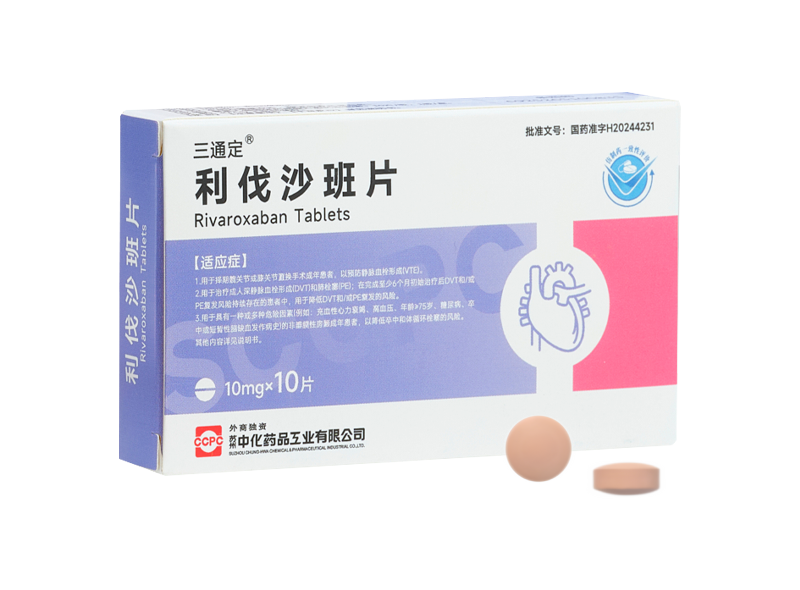
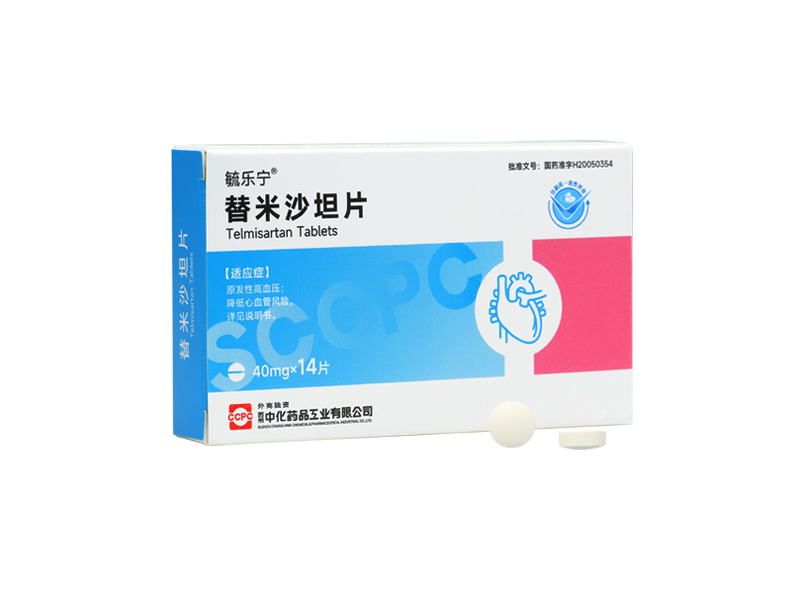
Suzhou Sinochem Pharmaceuticals has initiatives in cardiovascular, endocrine, and digestive system health fields. In the second half of 2025 and throughout 2026, new product launches will continue. Its cardiovascular product line includes Wenle Ning® Telmisartan-Hydrochlorothiazide Tablets, Yule Ning® Telmisartan Tablets, and Santong Ding® Rivaroxaban Tablets, covering different clinical needs.
Take action now: start controlling your blood pressure today, protect your blood vessels, improve microcirculation, and prevent stroke.


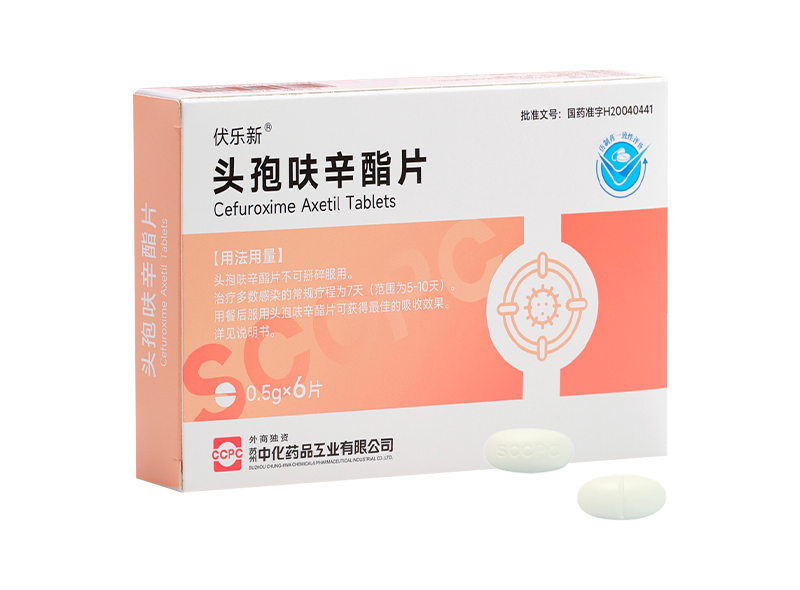 Fulexin® Cefuroxime Axetil Tablets
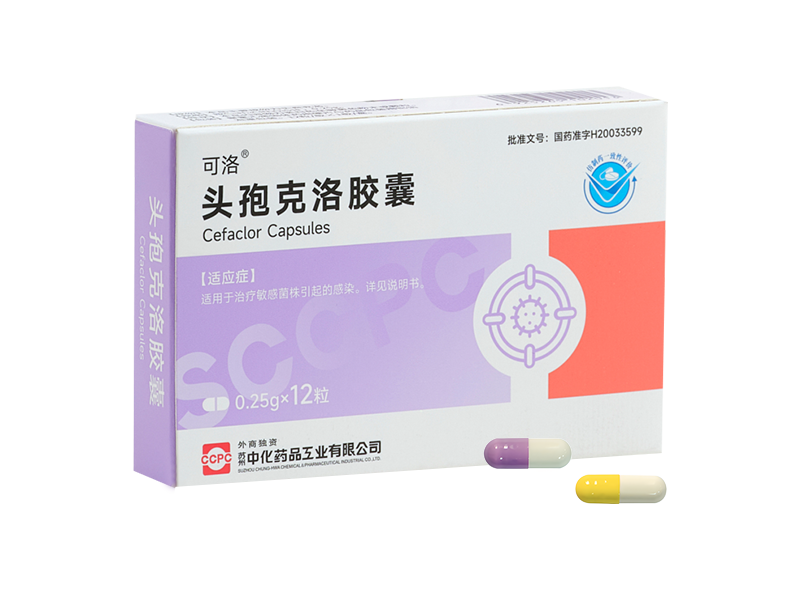 Keluo® Cefaclor Capsules
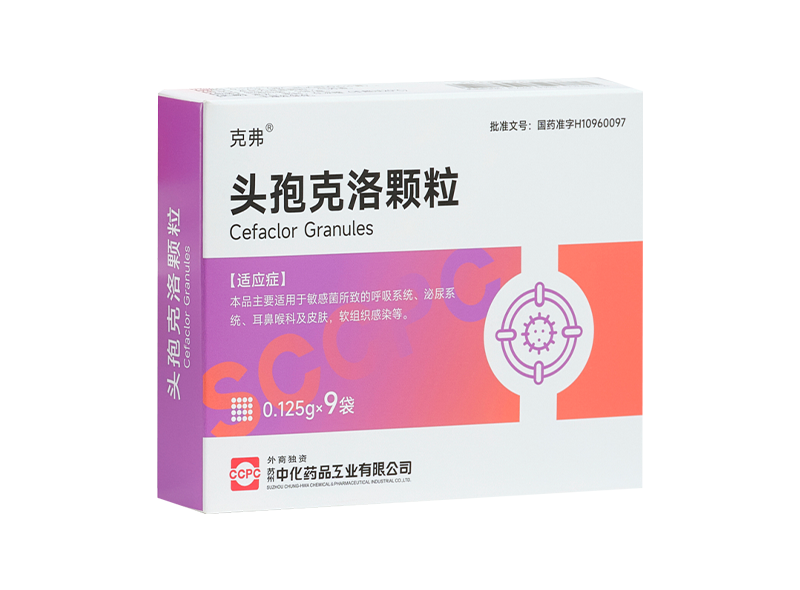 Kefu® Cefaclor Granules
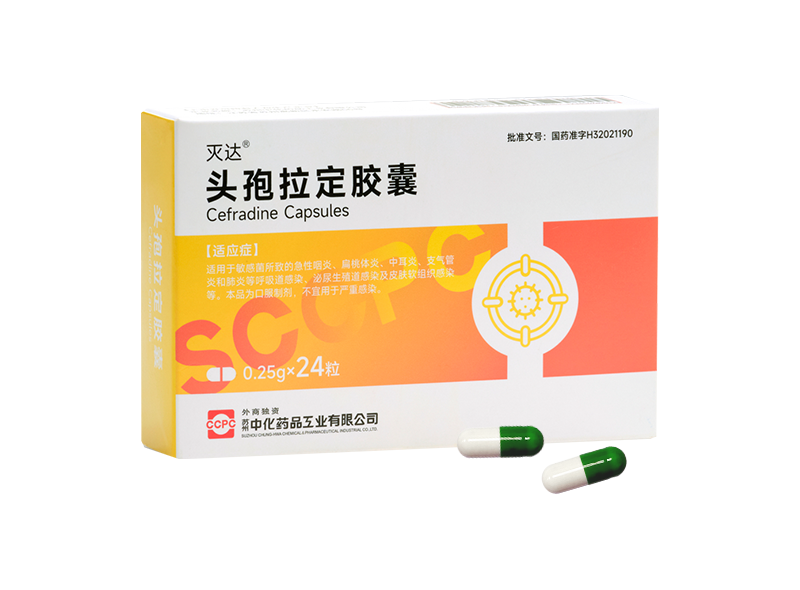 Mieda® Cefradine Capsules
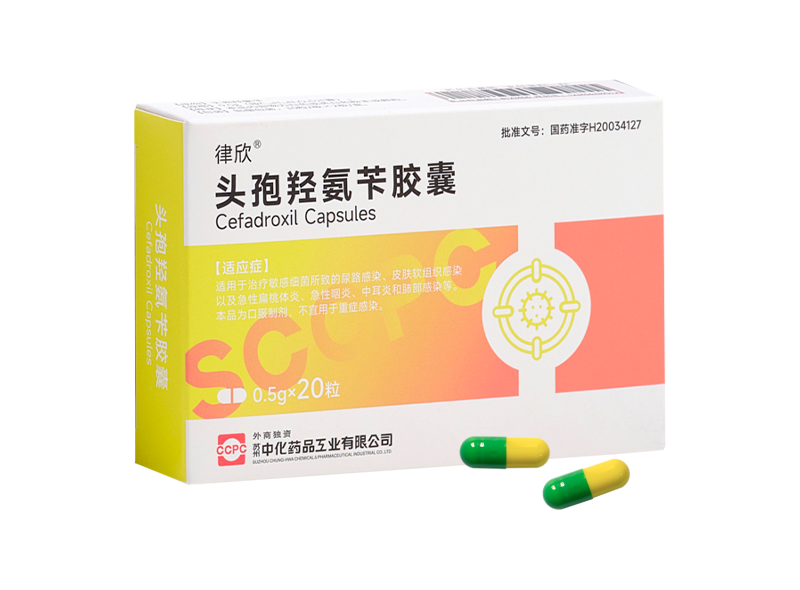 Lvxin® Cefalexin Capsules
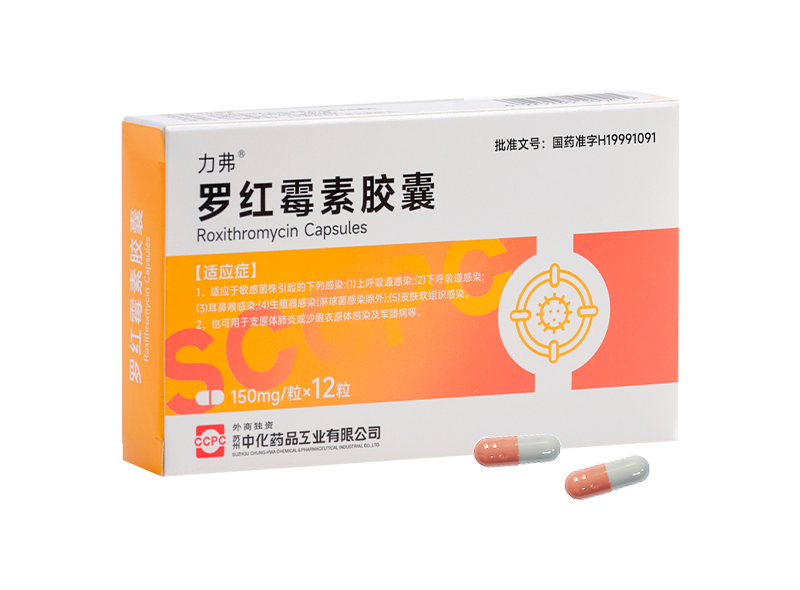 Lifu® Roxithromycin Capsules
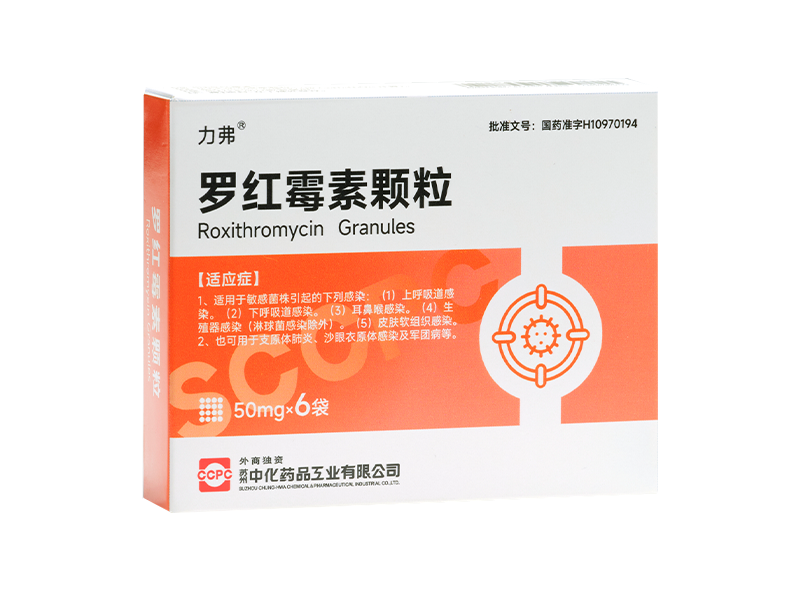 Lifu® Roxithromycin Granules
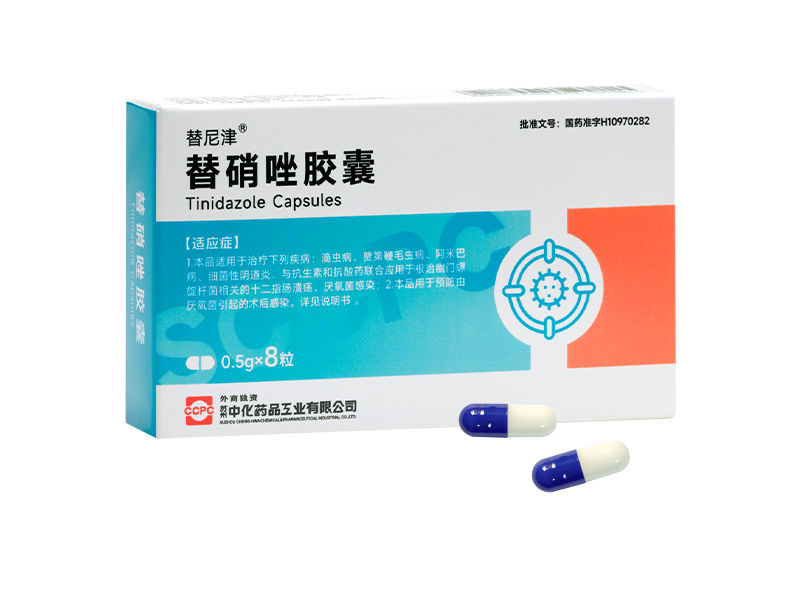 Tinijin® Tinidazole Capsules
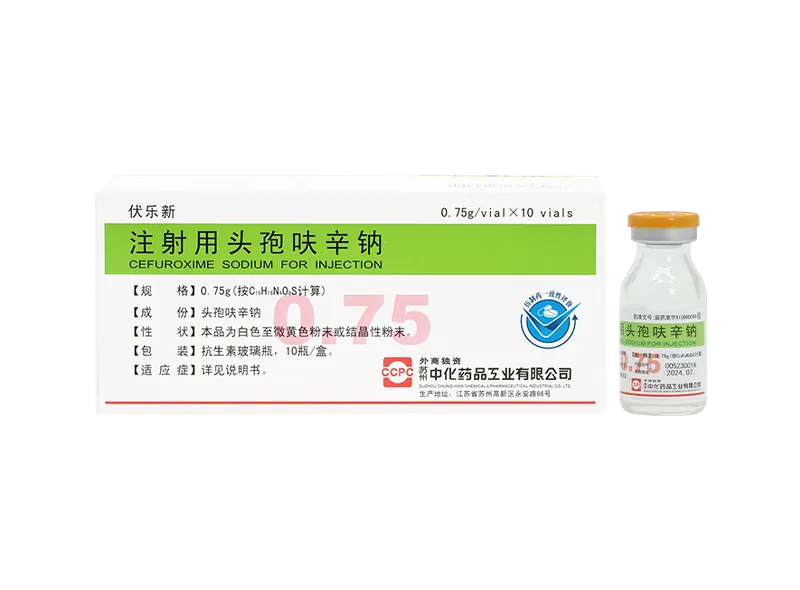 Fulexin® Cefazolin Sodium for Injection
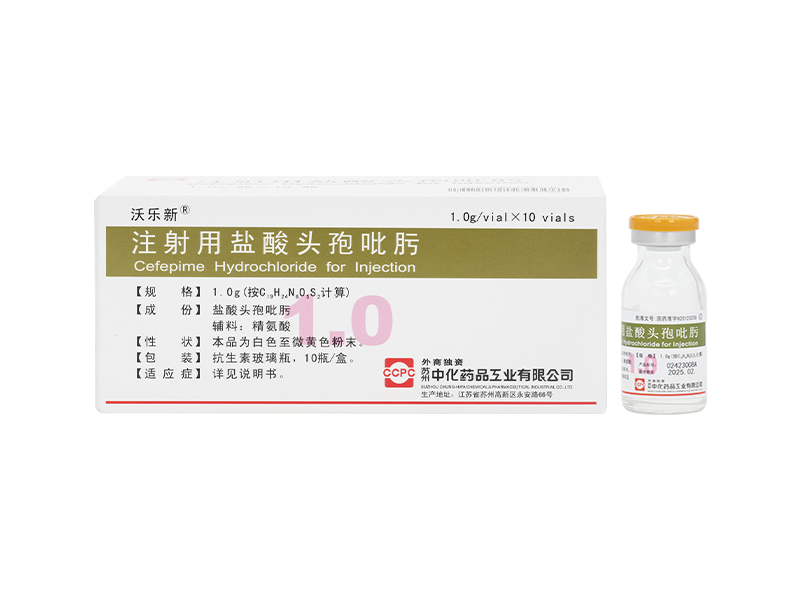 Wolexin® Cefepime Hydrochloride for Injection
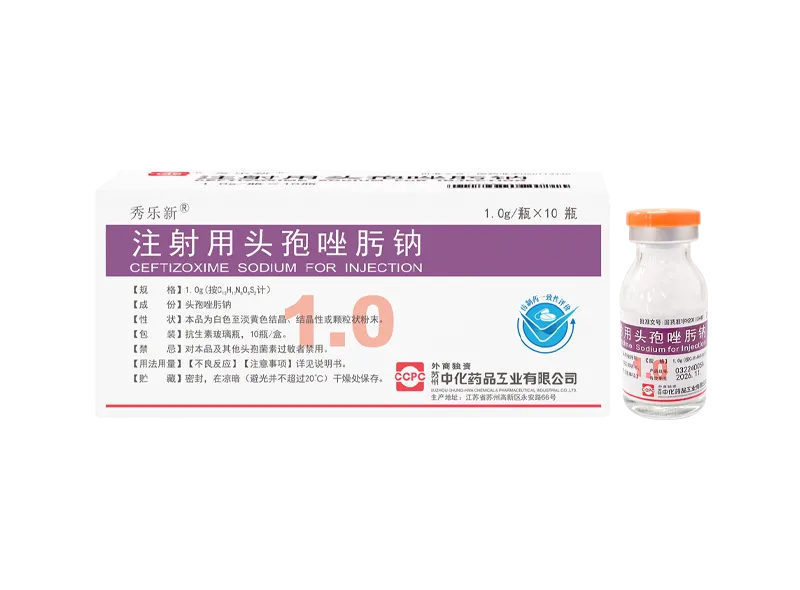 Xiulexin® Ceftizoxime Sodium for Injection
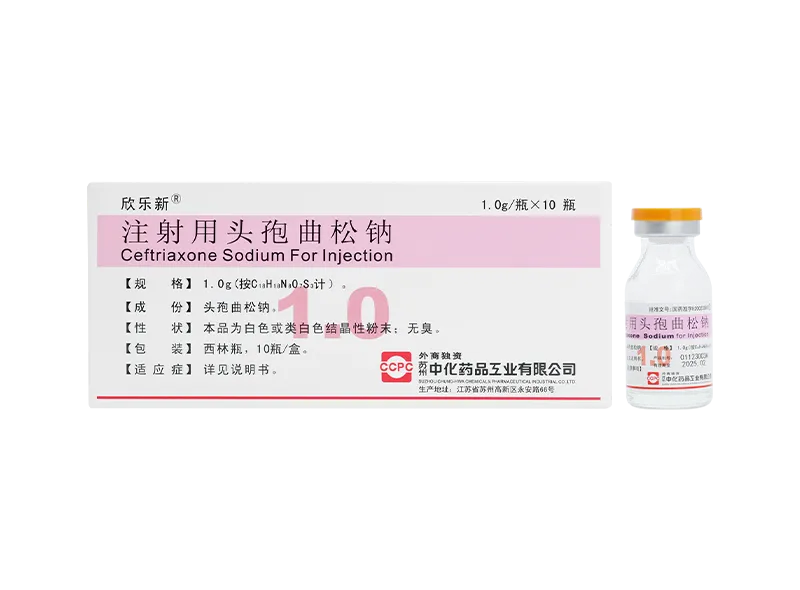 Xinlexin® Ceftriaxone Sodium for Injection
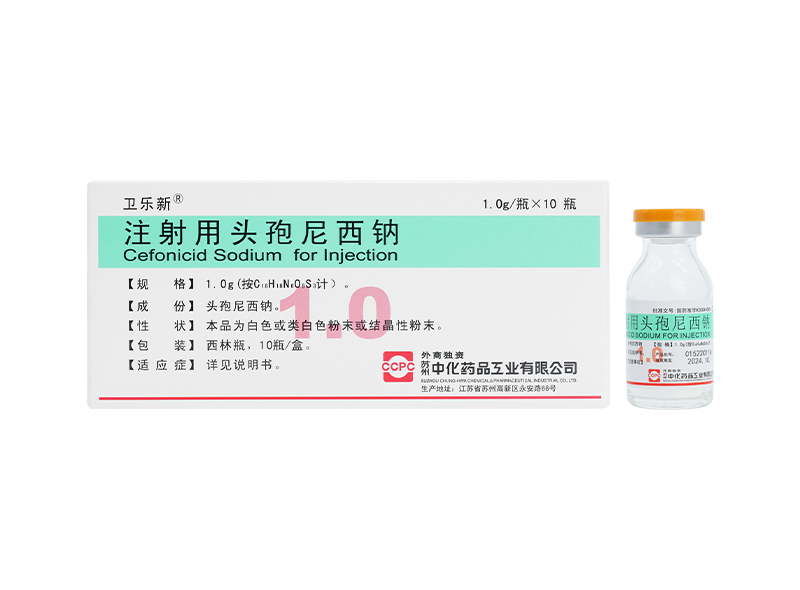 Weilexin® Cefonicid Sodium for Injection
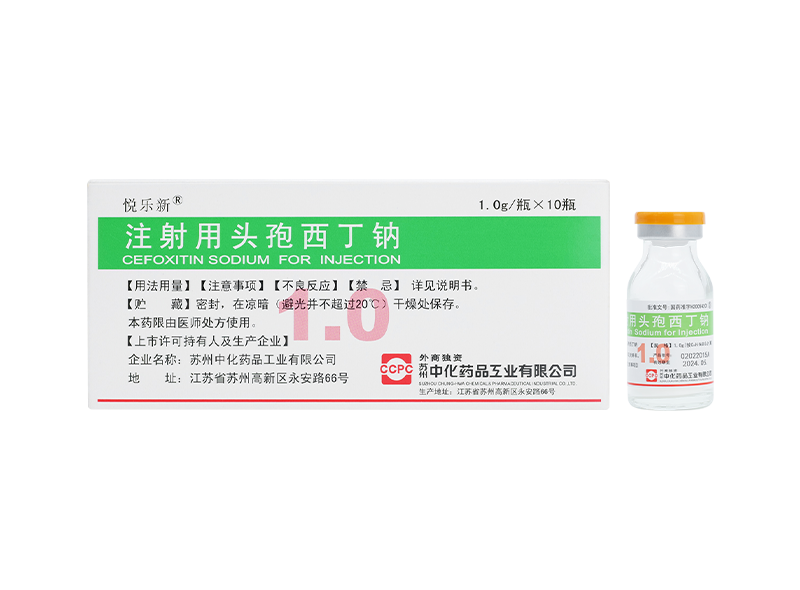 Yuelexin® Cefoxitin Sodium for Injection
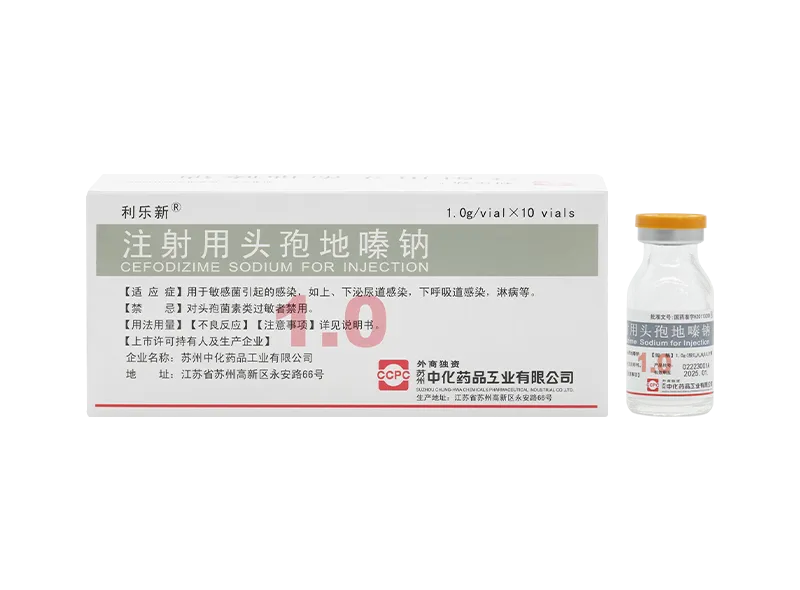 Lilexin® Cefodizime Sodium for Injection
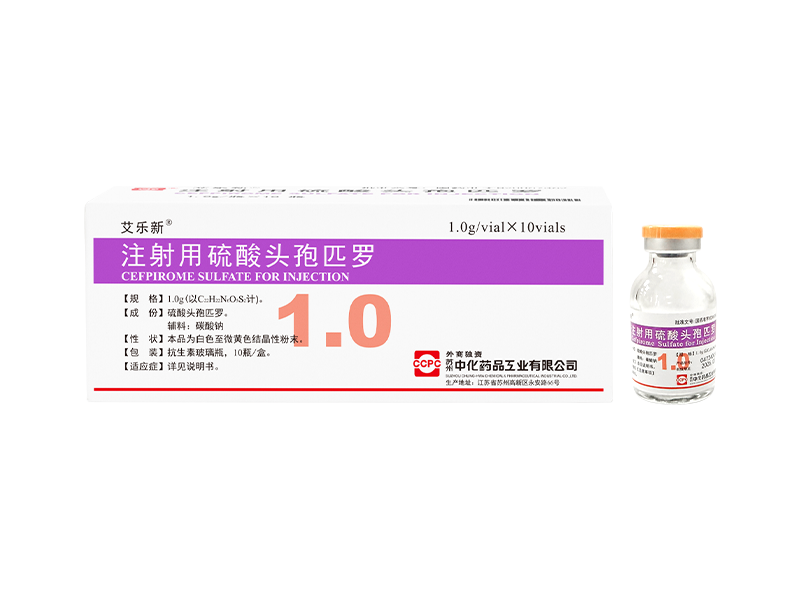 Ailexin® Cefpirome Sulfate for Injection