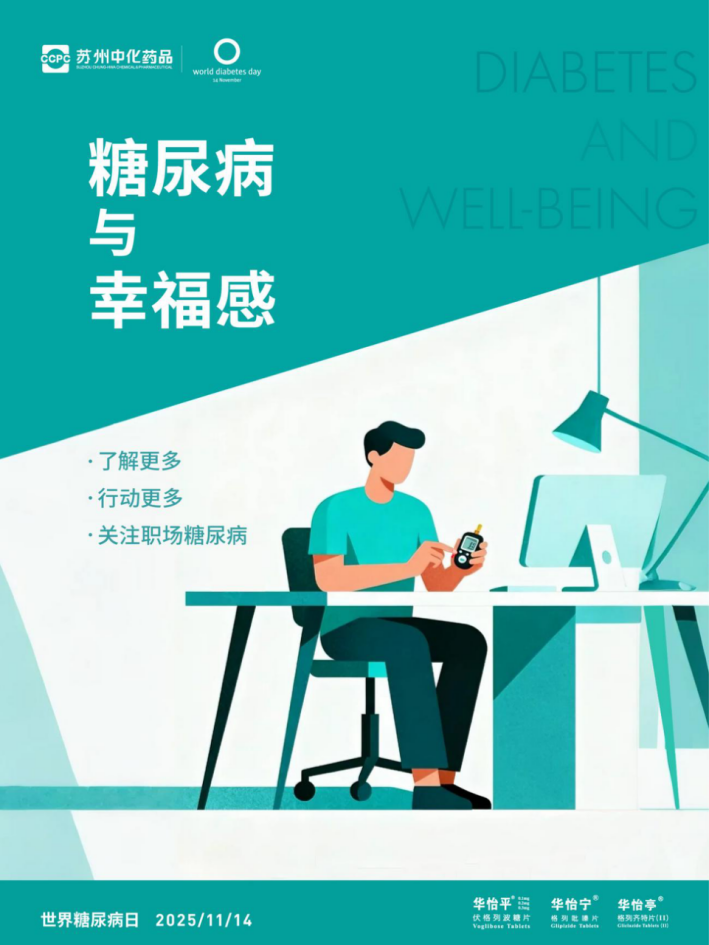
November 14 is "World Diabetes Day." This year's theme is "Diabetes and Well-being," aiming to call for putting the overall well-being of people with diabetes at the core of care, rather than just focusing on blood sugar, thereby further improving their quality of life. World Diabetes Day 2025 will focus on diabetes in the workplace, with the slogan "Learn More, Act More, Pay Attention to Diabetes in the Workplace."
Learn more
There are approximately 430 million working-age people with diabetes worldwide. In the workplace, they face numerous challenges, such as stigma, discrimination, exclusion, anxiety, and a lack of access to care and support, all of which affect their physical and mental health.
The impact of diabetes on mental health cannot be ignored. Three out of four people with diabetes have experienced anxiety, depression, or other mental health issues due to diabetes. Four out of five people with diabetes have experienced diabetes burnout (the fatigue and frustration from long-term blood sugar management). Globally, 70% of people with diabetes are of working age.
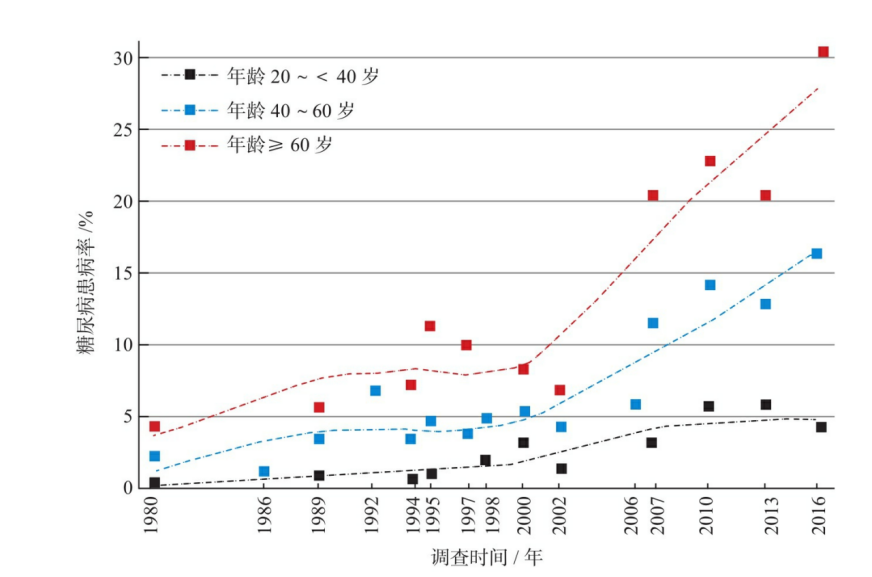
According to the "China Diabetes Map," the prevalence of type 2 diabetes has been rising across all age groups since 1980; among those under 40, the prevalence is relatively stable and rises slowly, but has accelerated since 2000; for people aged 40–59 and those 60 and above, there were fluctuations in the trend curves in the 1990s and early 2000s, but rapid increases have been observed since 2000, with the growth rate being faster for those over 60.
Pay attention to diabetes in the workplace
The causes of type 2 diabetes are complex. It is currently believed that the interaction between genetic and environmental factors leads to the development of type 2 diabetes. More than 100 susceptibility gene loci for type 2 diabetes have been identified. In addition to genetic factors, various environmental factors such as aging, obesity, and unhealthy lifestyles have accelerated the prevalence of type 2 diabetes.
Many workplaces are unhealthy environments for employees. Lack of opportunities for physical activity, limited healthy dietary options, and insufficient support for mental health adversely affect people at high risk for diabetes and other chronic non-communicable diseases.
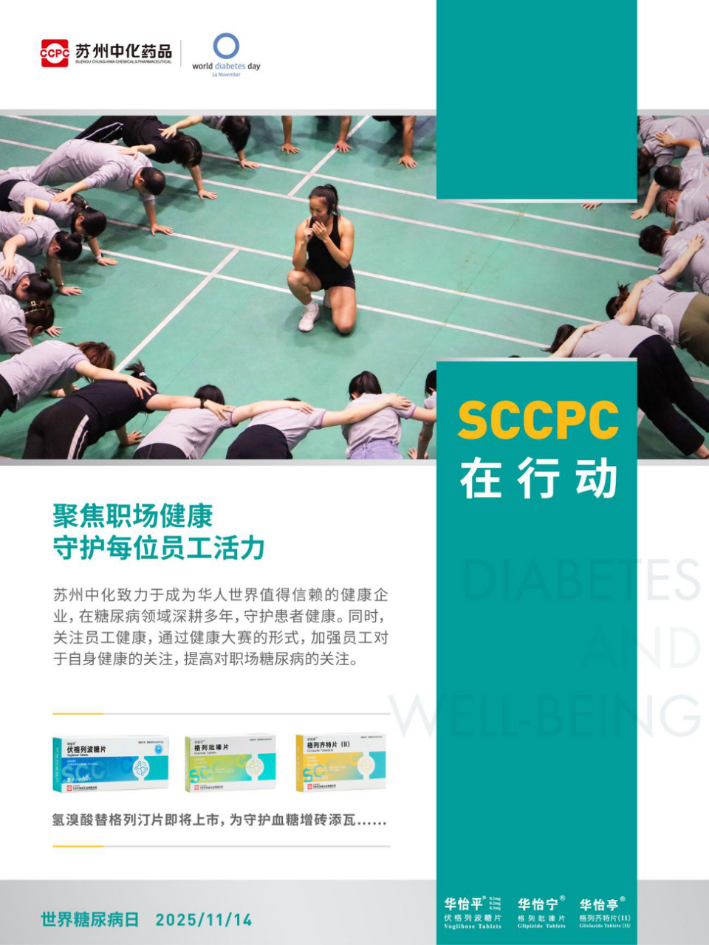
Suzhou Sinochem Pharmaceuticals in Action
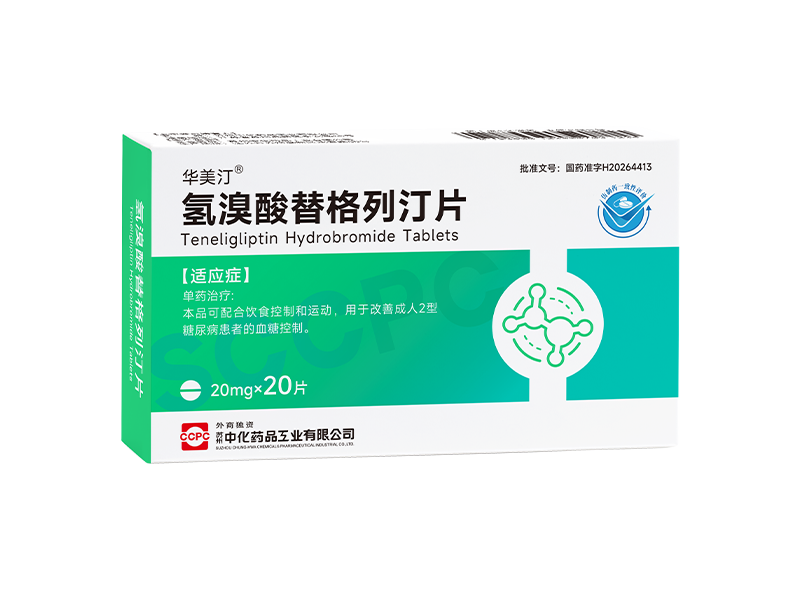
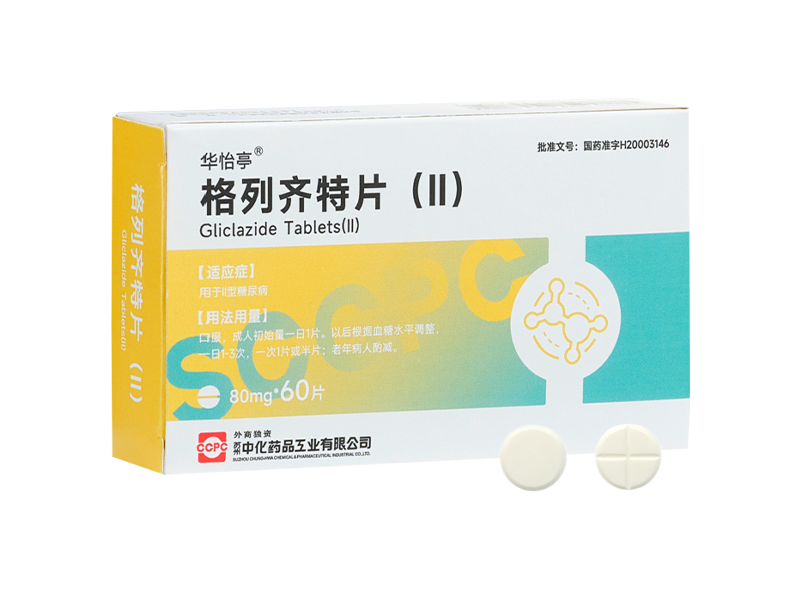
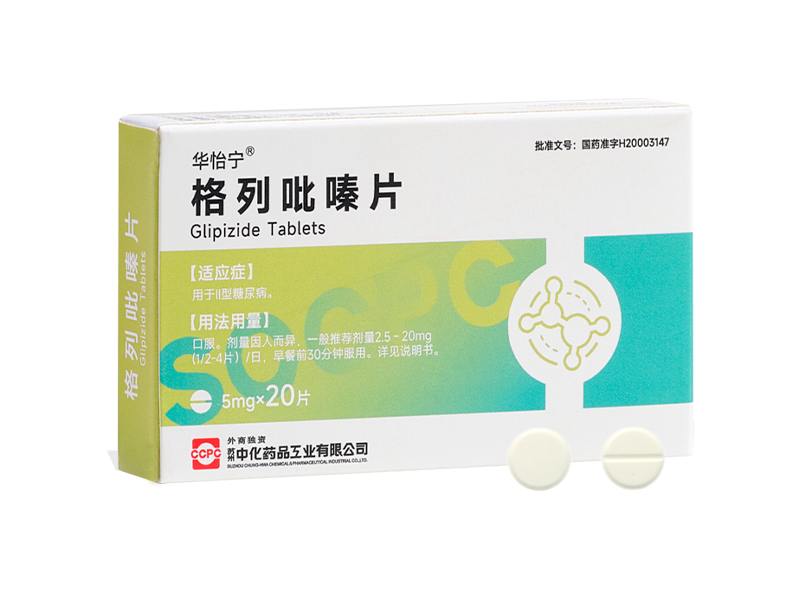
Suzhou Sinochem Pharmaceutical Co., Ltd. was established in 1993, focusing on fields such as digestive, endocrine, and cardiovascular health. To protect blood sugar health, it has developed and produced a series of blood sugar control medications. From the approval of Huaying® Gliclazide Tablets (II) and Huayining® Glipizide Tablets in 2000, to the approval of various specifications of Huayiping® Voglibose Tablets in 2009, the company has transitioned from traditional sulfonylurea secretagogues to α-glucosidase inhibitors better suited to Chinese dietary habits. Suzhou Sinochem Pharmaceutical has always adhered to the great vision of being "a trusted health enterprise for the Chinese-speaking world," upholding the core values of "innovation, passion, care, and health," and is committed to protecting blood sugar levels. Starting in 2026, Suzhou Sinochem Pharmaceutical will launch more blood sugar control medications, continuing its efforts to safeguard blood sugar health.

Suzhou Sinochem Pharmaceuticals starts with itself, responding to the initiative by taking a series of actions to create a safe, supportive, and healthy working environment for people with diabetes and those at high risk. 'Learn more and take action at work to help employees with diabetes.' To protect employees' blood sugar health, Suzhou Sinochem Pharmaceuticals has organized health competitions to increase employees' attention to their own health, raise awareness of diabetes in the workplace, and help control blood sugar levels.


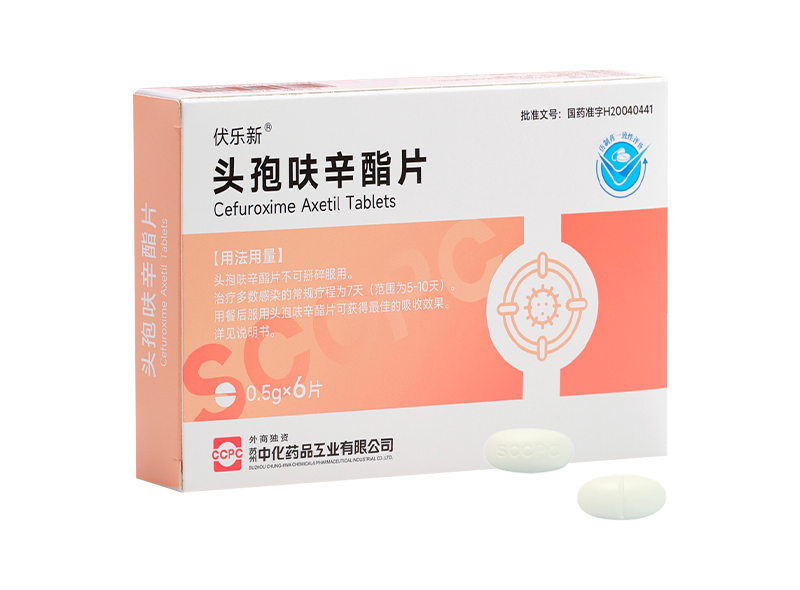 Fulexin® Cefuroxime Axetil Tablets
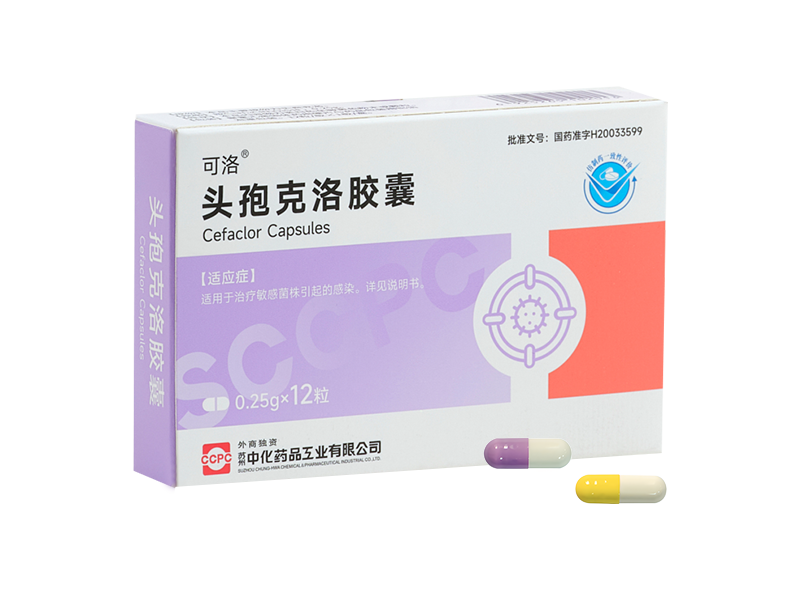 Keluo® Cefaclor Capsules
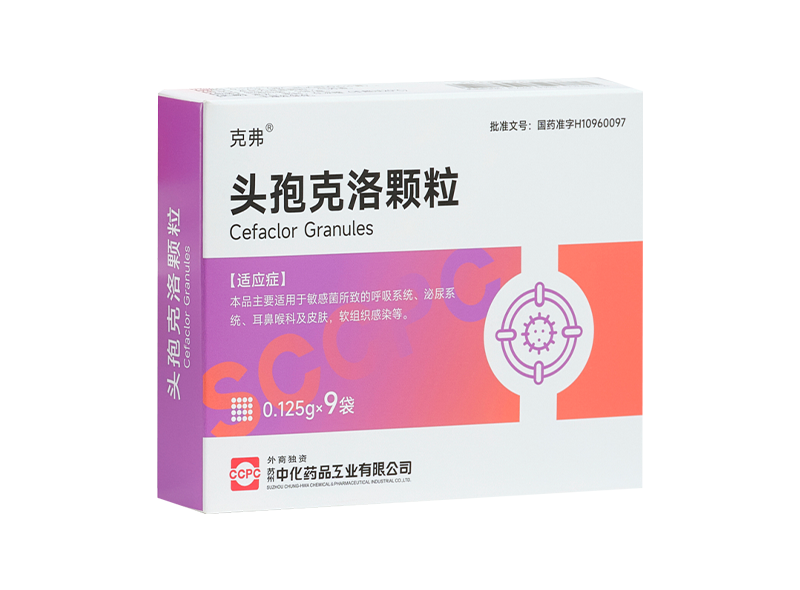 Kefu® Cefaclor Granules
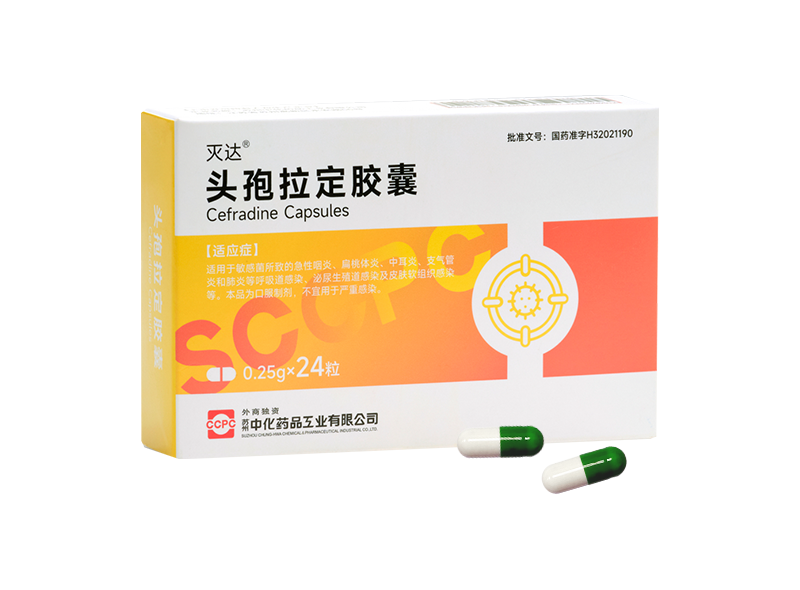 Mieda® Cefradine Capsules
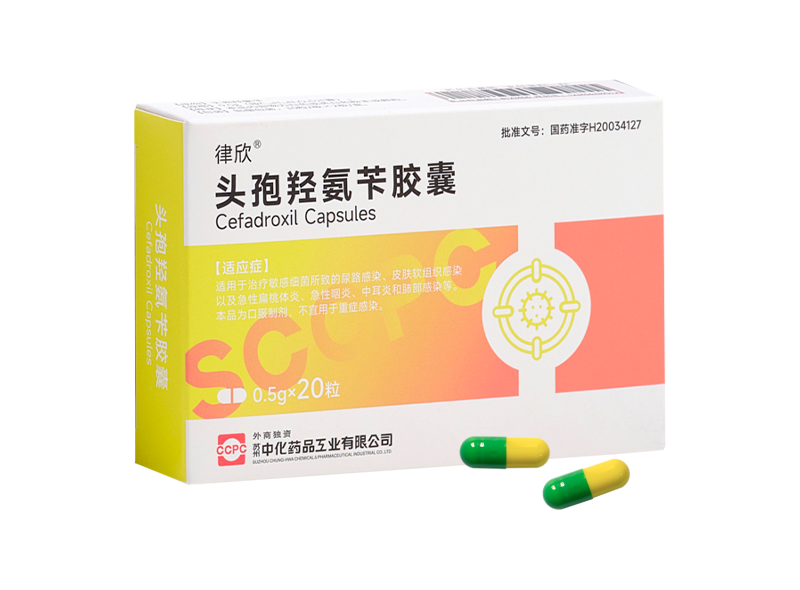 Lvxin® Cefalexin Capsules
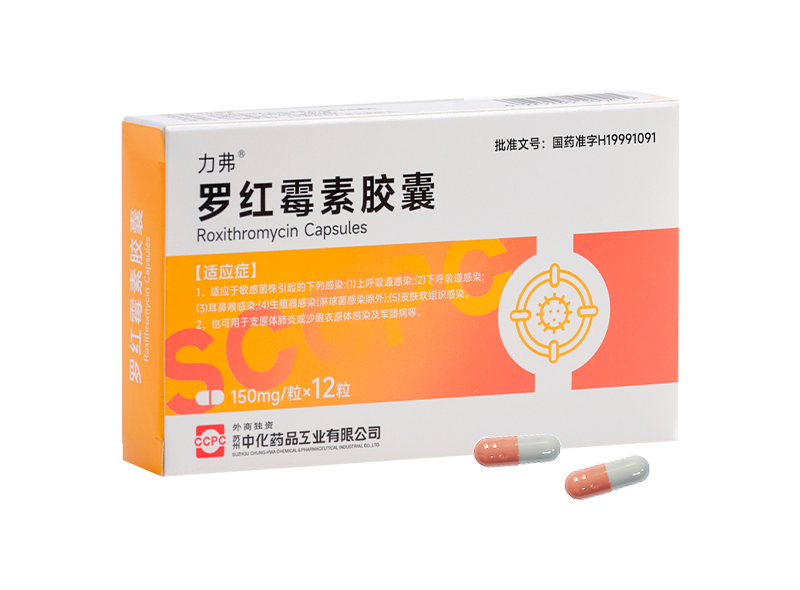 Lifu® Roxithromycin Capsules
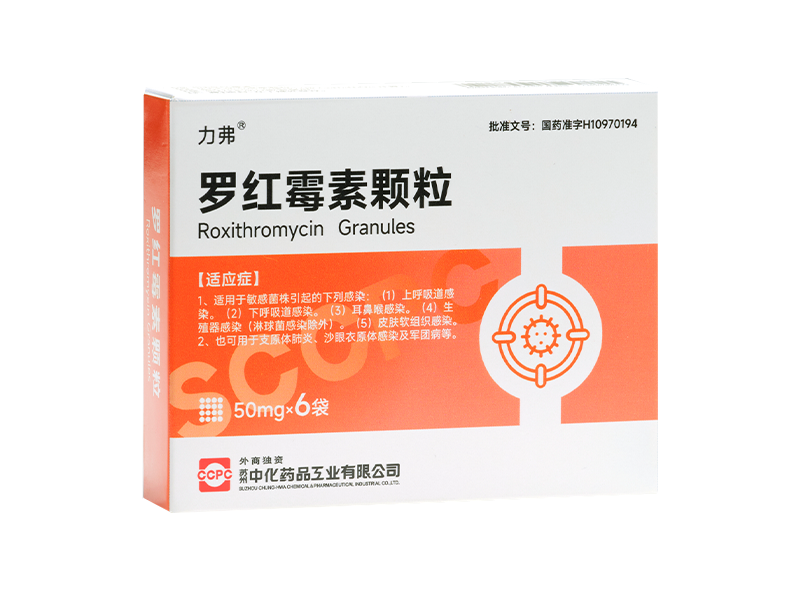 Lifu® Roxithromycin Granules
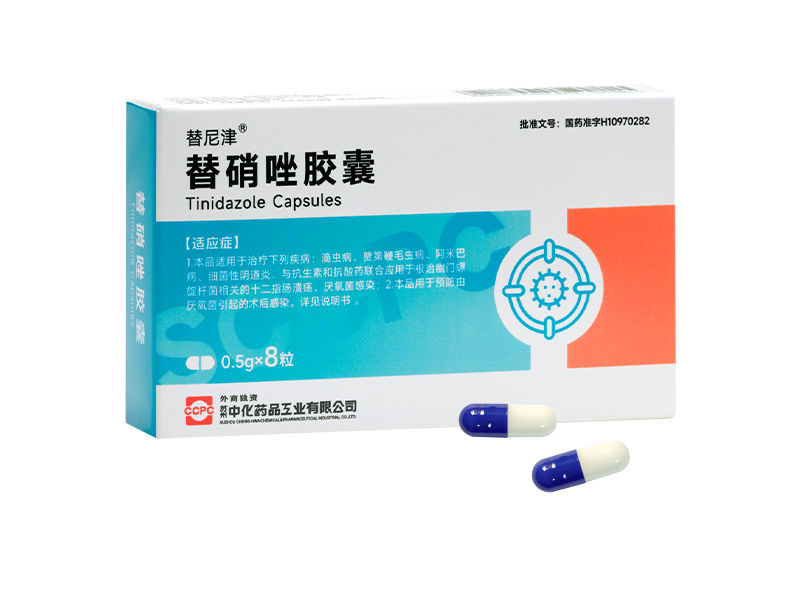 Tinijin® Tinidazole Capsules
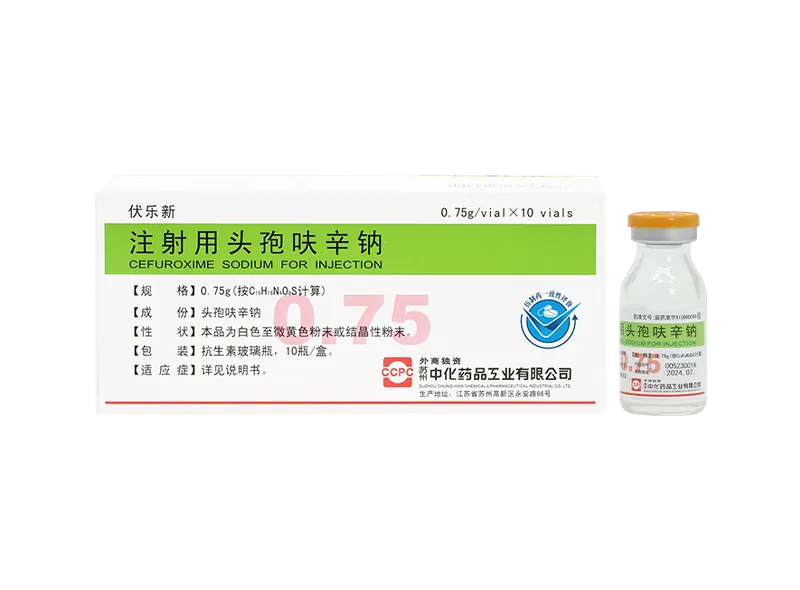 Fulexin® Cefazolin Sodium for Injection
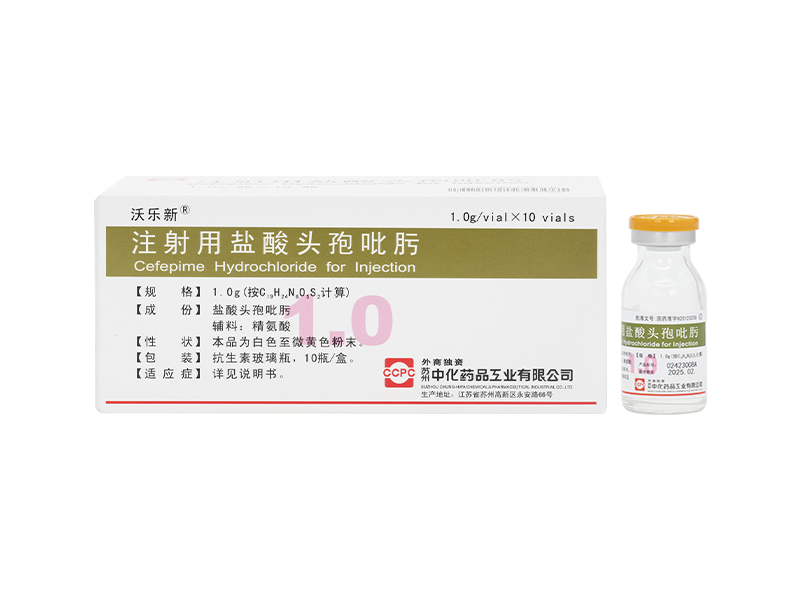 Wolexin® Cefepime Hydrochloride for Injection
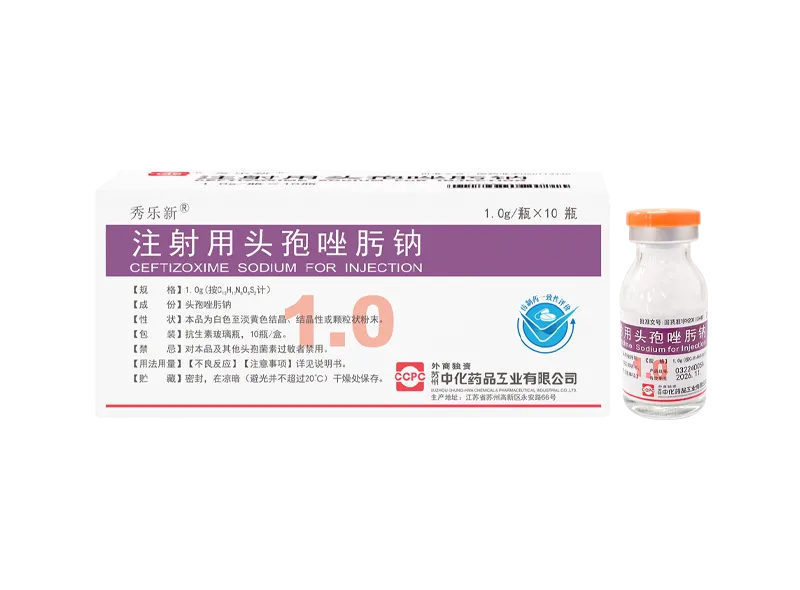 Xiulexin® Ceftizoxime Sodium for Injection
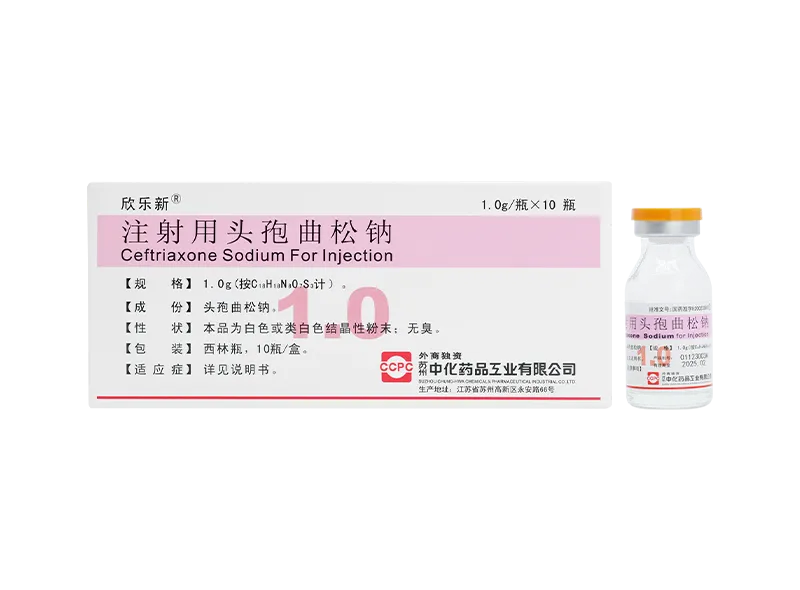 Xinlexin® Ceftriaxone Sodium for Injection
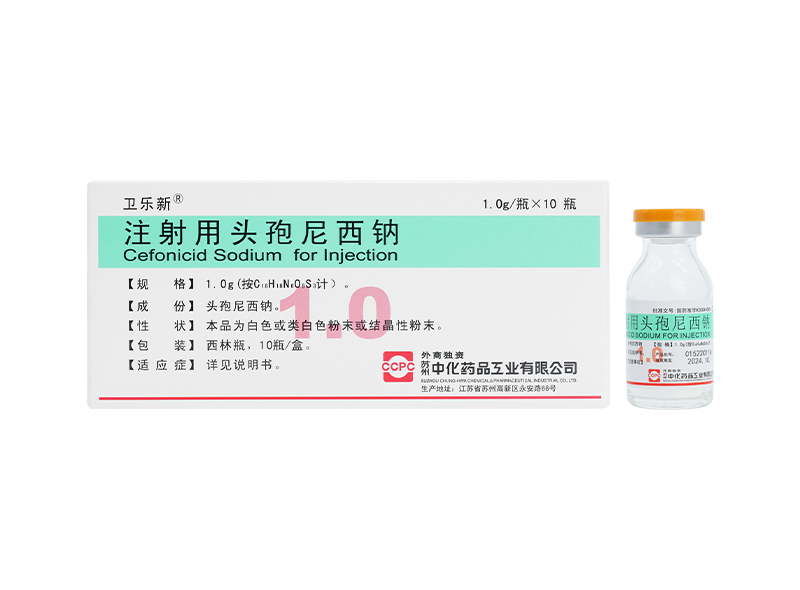 Weilexin® Cefonicid Sodium for Injection
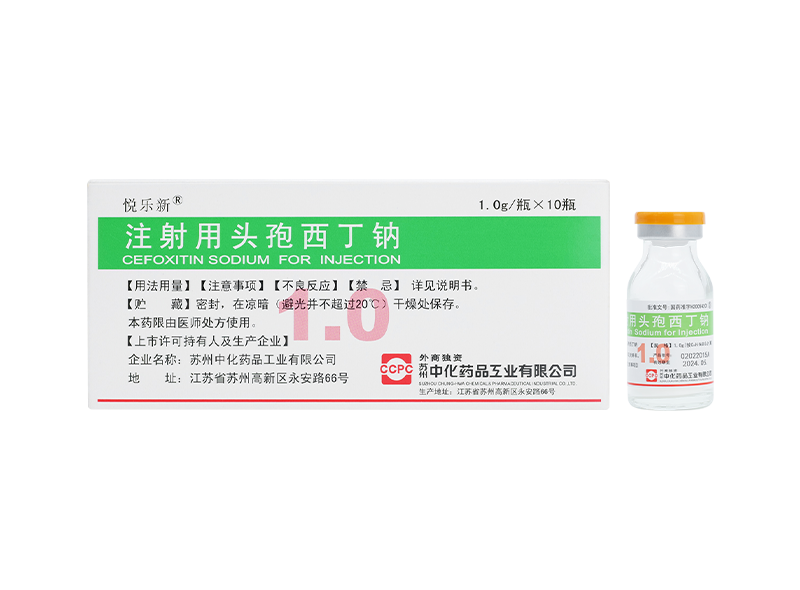 Yuelexin® Cefoxitin Sodium for Injection
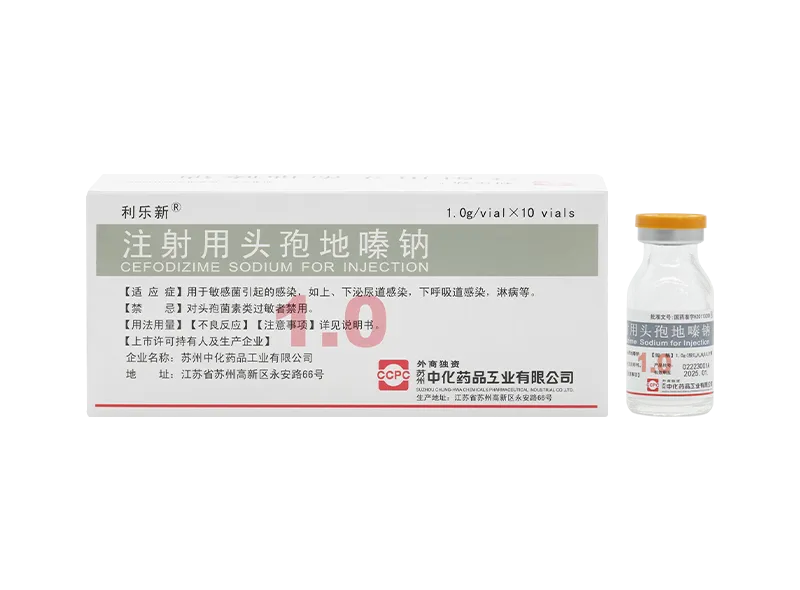 Lilexin® Cefodizime Sodium for Injection
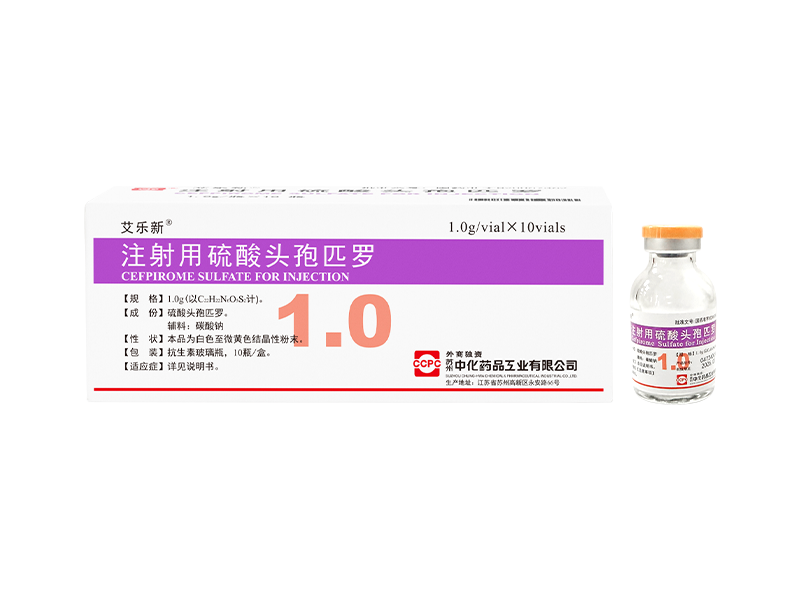 Ailexin® Cefpirome Sulfate for Injection