From October 23 to 25, 2025, the 25th Chinese Gastroenterology Conference of the Chinese Medical Association (CGC2025), organized by the Chinese Medical Association and the Gastroenterology Branch of the Chinese Medical Association, and hosted by the Hunan Medical Association and Xiangya Third Hospital of Central South University, successfully concluded at the Changsha International Conference Center.
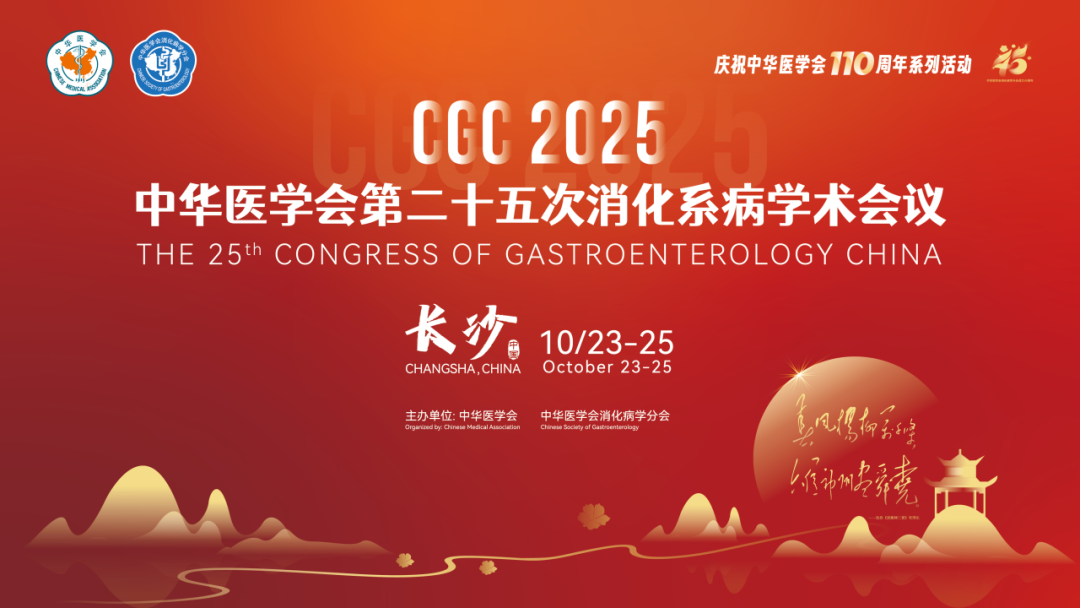
As a highly influential academic event in the field of gastroenterology in China, this conference, with the theme of 'showcasing cutting-edge achievements and promoting interdisciplinary integration,' presented the latest breakthroughs in the clinical diagnosis and treatment, basic research, and new technology applications in digestive diseases through keynote speeches and specialized sessions. Among these, standardized diagnosis and treatment of chronic constipation and constipation-predominant irritable bowel syndrome (IBS-C) became popular topics, while the bulk-forming laxative polycarbophil calcium, noted for its clear efficacy and safety, was frequently mentioned by experts, emerging as a clinical medication highlight of the conference.
The conference focused on key issues in diagnosis and treatment, with experts discussing graded treatment plans for chronic constipation.
In the special seminars of the Gastrokinetics and Functional Gastrointestinal Disorders sessions at this conference, several leading experts in the field conducted in-depth sharing on the challenges and solutions in the diagnosis and treatment of chronic constipation.

Professor Liu Shi from Union Hospital, Tongji Medical College, Huazhong University of Science and Technology, clearly stated in the report "Confusions and Countermeasures in the Treatment of Chronic Constipation" that chronic constipation should follow the principle of "graded diagnosis and treatment": first, lifestyle interventions such as improving dietary habits (increasing dietary fiber and water intake) and enhancing physical activity; second, empirical laxative therapy and bowel training; if the above measures are ineffective, patients should enter the treatment process for refractory constipation, with further investigations such as anorectal manometry and colonic transit tests to clarify the cause and develop individualized plans. Professor Liu specifically pointed out that bulk-forming laxatives, osmotic laxatives, and prokinetic agents are the core drugs for empirical treatment of chronic constipation and are widely used in first-line clinical practice.
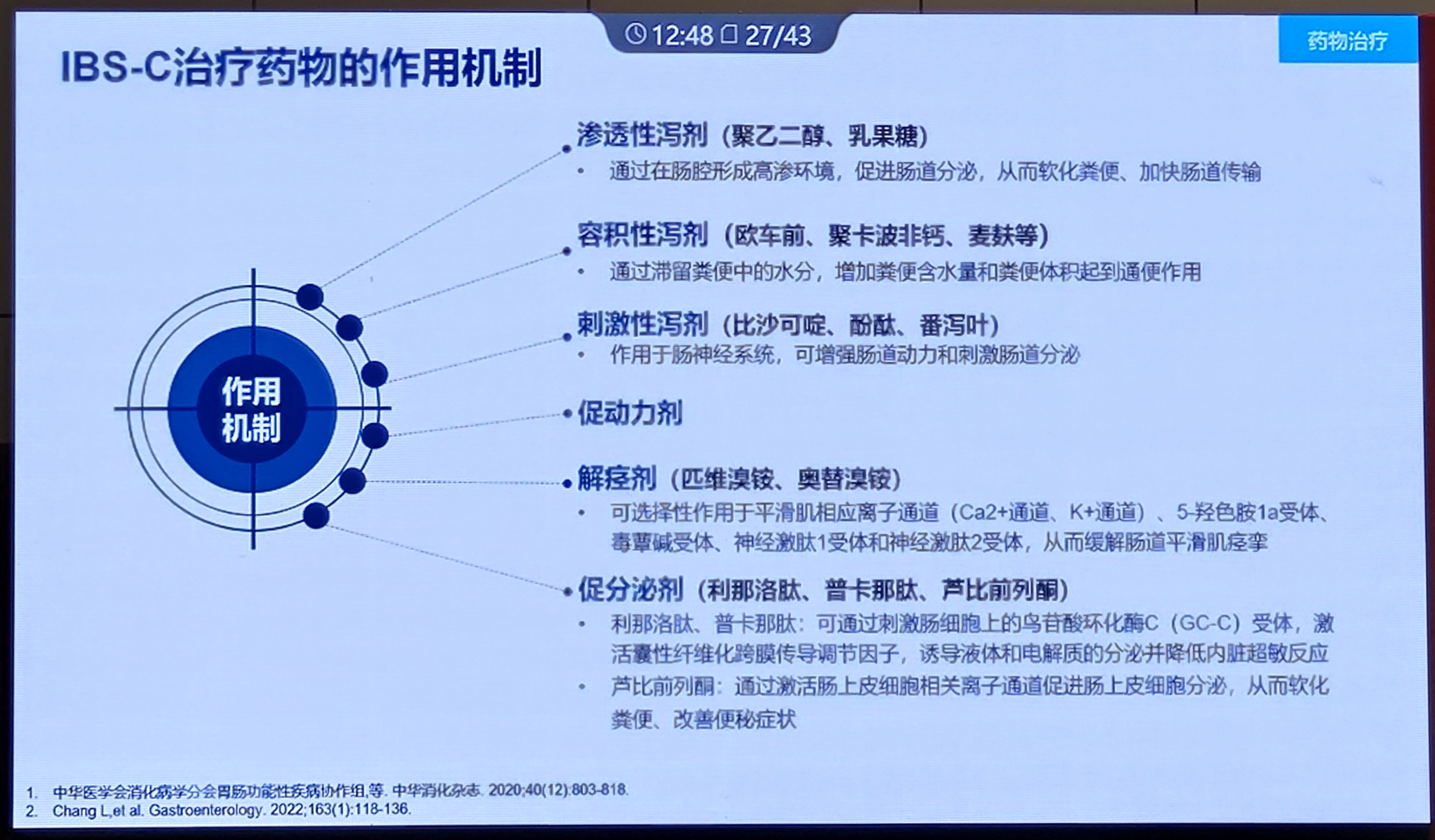

Professor Zhang Ling from Ruijin Hospital affiliated with Shanghai Jiao Tong University School of Medicine, in her lecture "New Advances in the Diagnosis and Treatment of IBS-C," elaborated on the choice of medications for constipation-predominant irritable bowel syndrome (IBS-C). She stated that IBS-C treatment medications need to address both "improving constipation symptoms" and "relieving abdominal discomfort." Among these, bulk-forming laxatives (such as psyllium and polycarbophil calcium) achieve bowel movements by retaining water in the stool and increasing stool water content and volume, making them one of the preferred treatment options for patients with mild to moderate IBS-C. To demonstrate the clinical efficacy of polycarbophil calcium, Professor Zhang cited data from a multicenter, randomized, double-blind, placebo-controlled study conducted in China: the study included 449 IBS-C patients and compared the therapeutic effects of polycarbophil calcium with placebo. The results showed that one week of treatment with polycarbophil calcium significantly reduced the severity of constipation symptoms (P<0.05), and over a 4-week treatment period, its effect on improving constipation symptoms continued to outperform placebo, fully verifying its clear value in alleviating constipation symptoms in IBS-C.
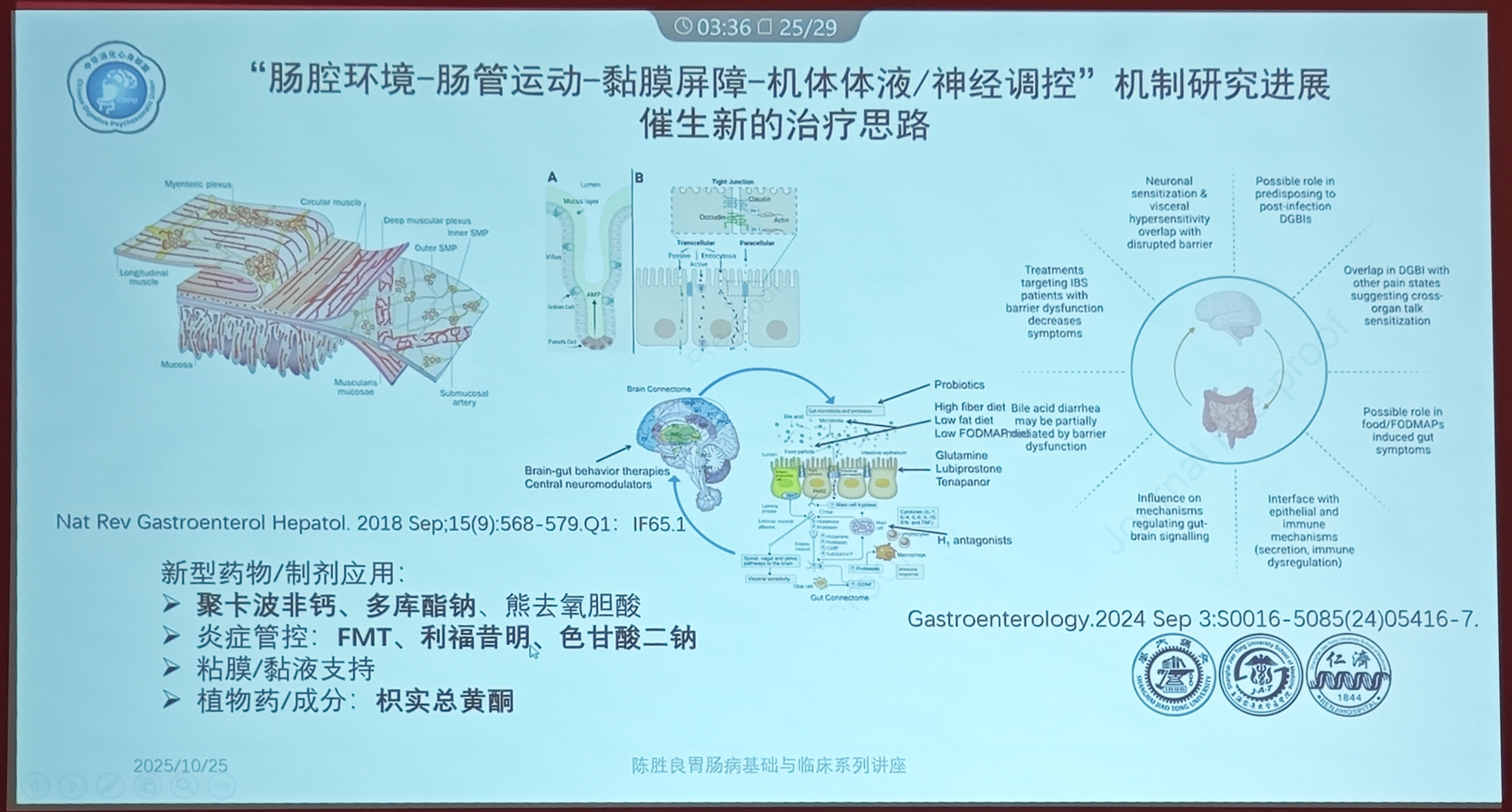
In addition, Professor Chen Shengliang from Renji Hospital, Shanghai Jiao Tong University School of Medicine, in his report titled 'Emerging Frontiers in Gut-Based Medicine and New Approaches to the Treatment of Functional Gastrointestinal Disorders,' included polycarbophil calcium in the category of 'novel therapeutic drugs for functional gastrointestinal disorders.' He pointed out that with the deepening research into the mechanisms of 'intestinal lumen environment–intestinal motility–mucosal barrier–body fluid/neural regulation,' clinical treatment needs for functional gastrointestinal disorders are shifting from 'symptomatic relief' to 'mechanism-based improvement.' Drugs such as polycarbophil calcium, with clear mechanisms of action and good safety profiles, provide clinicians with better treatment options, promoting the development of functional gastrointestinal disorder diagnosis and treatment toward a more precise and safer direction.
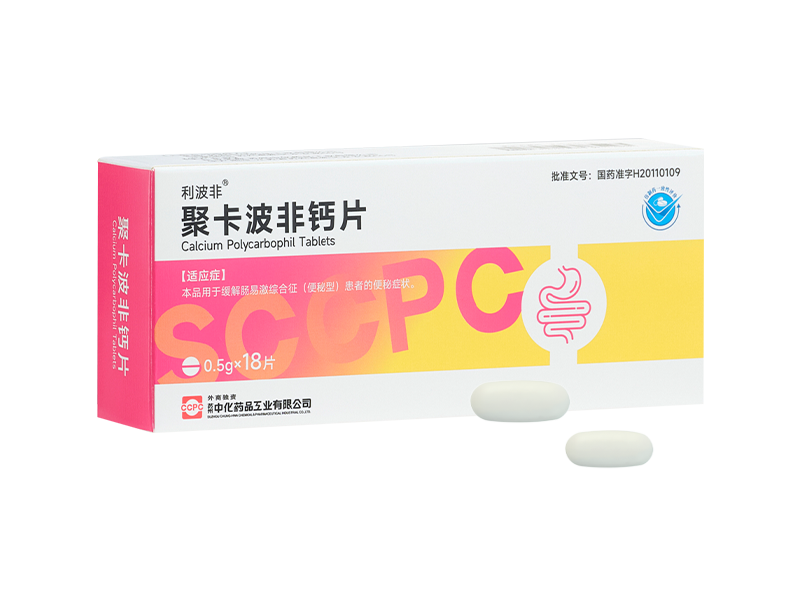
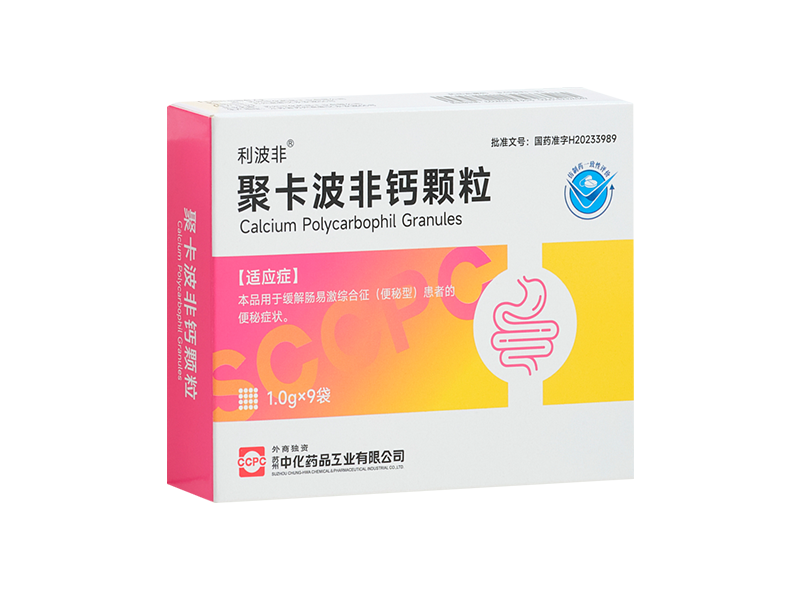
Policardium non-calcium: Recommended medication in domestic and international guidelines, Suzhou Zhonghua Pharmaceutical's Lipofen leads clinical application
As a bulk-forming laxative consistently recommended by authoritative domestic and international guidelines, the mechanism of action and clinical advantages of calcium polystyrene sulfonate were recognized by several experts at this conference. Its core advantages include: it is not absorbed in the gastrointestinal tract after oral administration, and in the intestines it absorbs water and expands to form a hydrophilic gel. This not only increases stool water content and volume, making stools soft and easy to pass, but also avoids systemic adverse reactions caused by drug absorption into the bloodstream, ensuring high safety for long-term use. Based on these characteristics, calcium polystyrene sulfonate can be widely used in various scenarios for the treatment of constipation, including constipation associated with irritable bowel syndrome (IBS-C), functional constipation, constipation accompanied by benign anorectal diseases, as well as the prevention and relief of postoperative constipation. It has a broad patient coverage and strong clinical applicability.
In the domestic carbacrol calcium market, 'Lipofe,' produced by Suzhou Zhonghua Pharmaceuticals, has become one of the most widely used products in clinical applications due to its stable drug quality and clear efficacy, and is currently the leading carbacrol calcium preparation in terms of market sales. As a modern pharmaceutical enterprise invested in and established by China Chemical & Pharmaceutical Co., Ltd. in Taiwan, Suzhou Zhonghua Pharmaceuticals has always focused on 'meeting clinical needs and protecting patient health.' From raw material procurement to production processes, the company implements strict control throughout to ensure the efficacy and safety of 'Lipofe,' providing high-quality treatment options for patients in China.
In the future, enterprises will continue to focus on clinical pain points in the field of digestive diseases, drive product upgrades through technological iteration, deepen clinical collaboration through academic partnerships, develop more urgently needed innovative drugs, and actively respond to the 'Healthy China 2030' strategy, contributing to the improvement of digestive disease diagnosis and treatment in China and the protection of public digestive health.


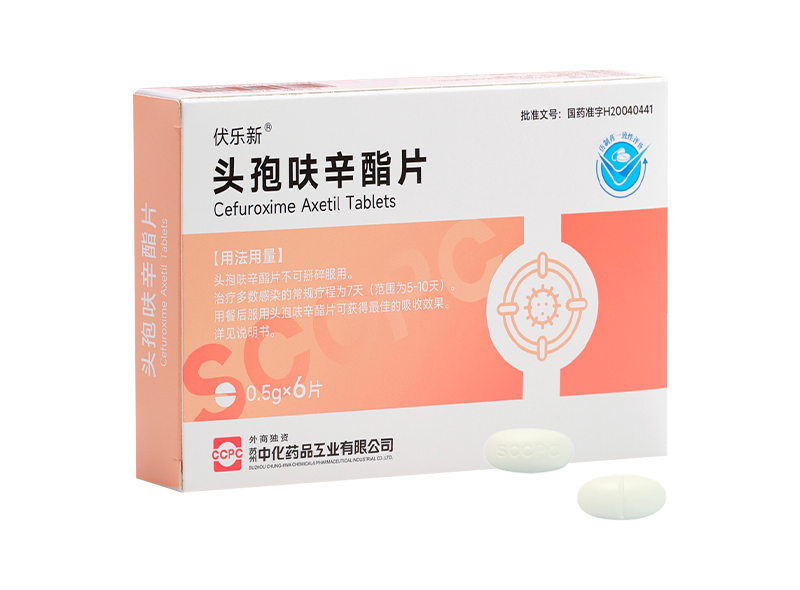 Fulexin® Cefuroxime Axetil Tablets
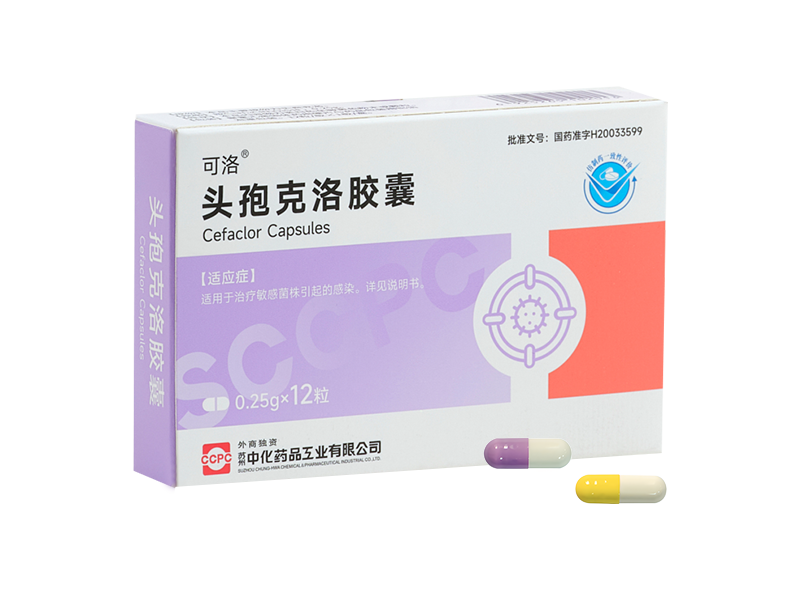 Keluo® Cefaclor Capsules
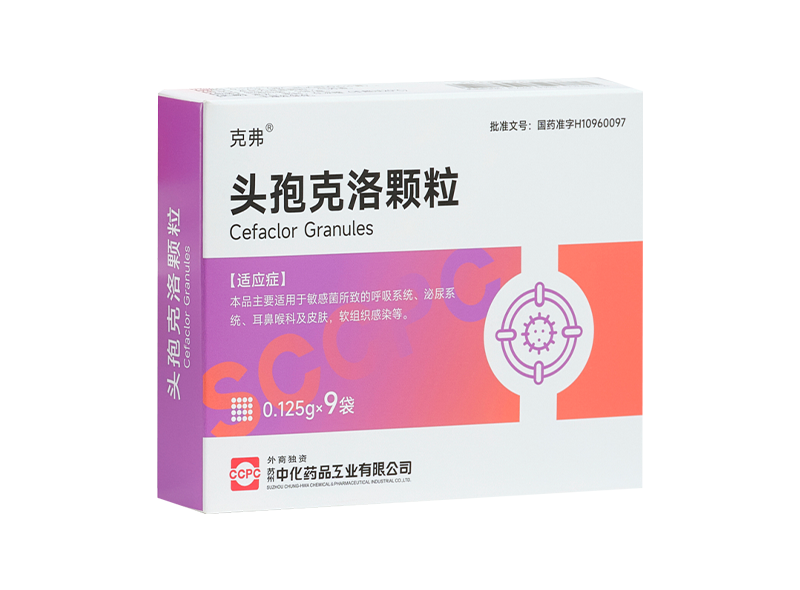 Kefu® Cefaclor Granules
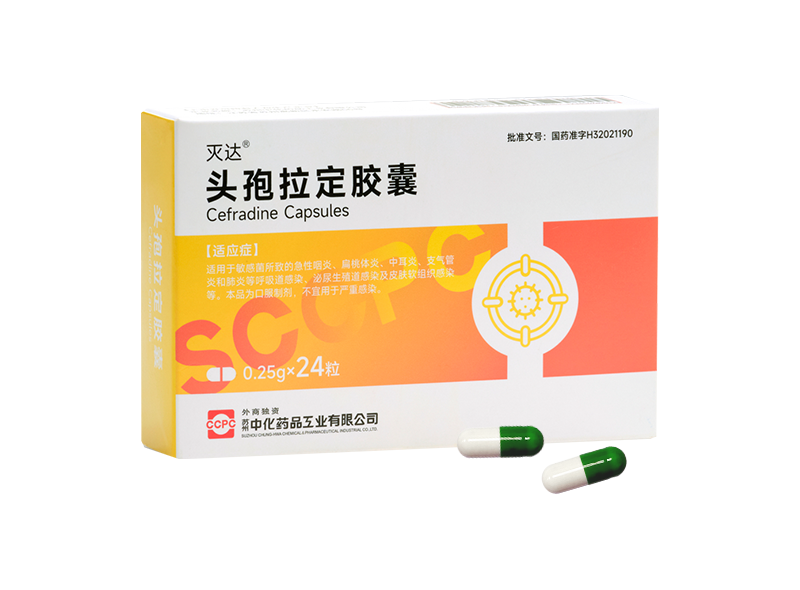 Mieda® Cefradine Capsules
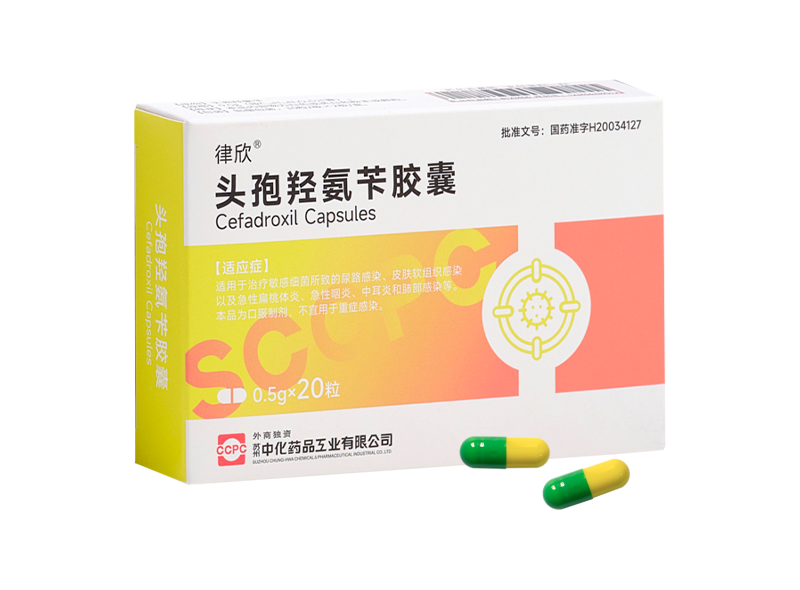 Lvxin® Cefalexin Capsules
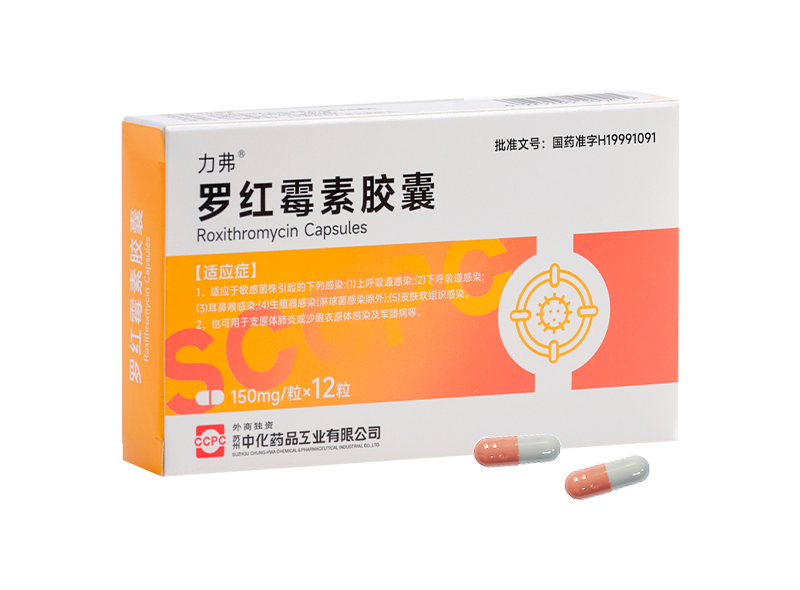 Lifu® Roxithromycin Capsules
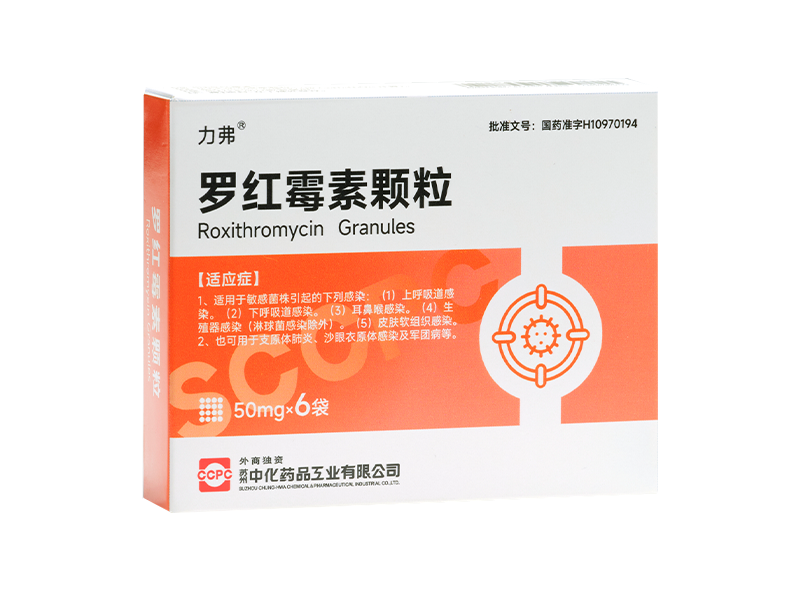 Lifu® Roxithromycin Granules
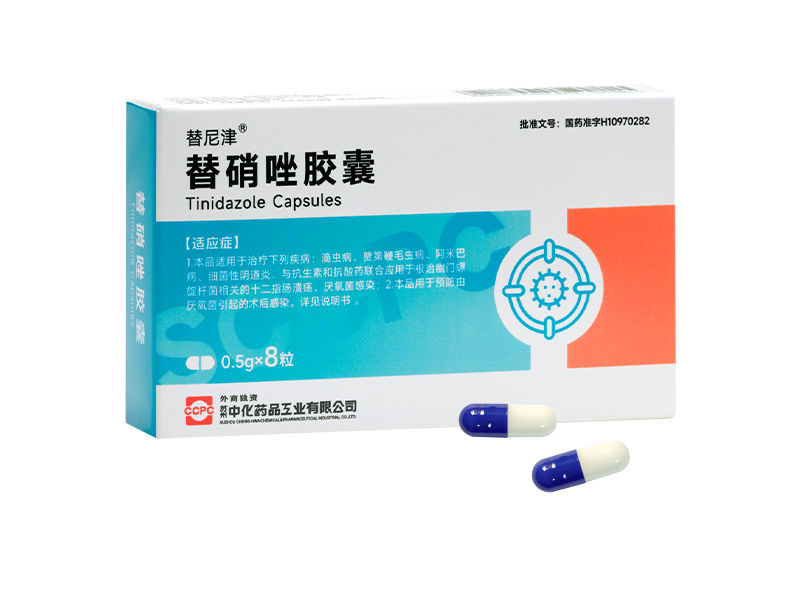 Tinijin® Tinidazole Capsules
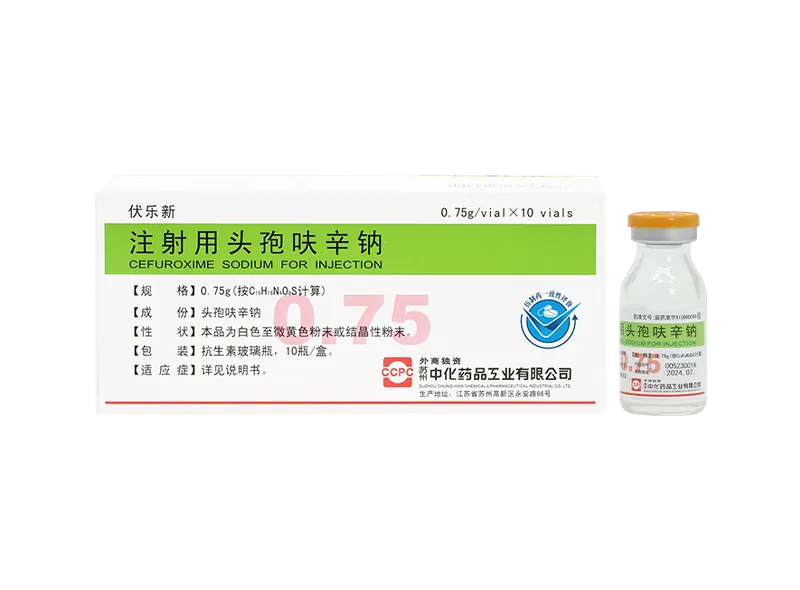 Fulexin® Cefazolin Sodium for Injection
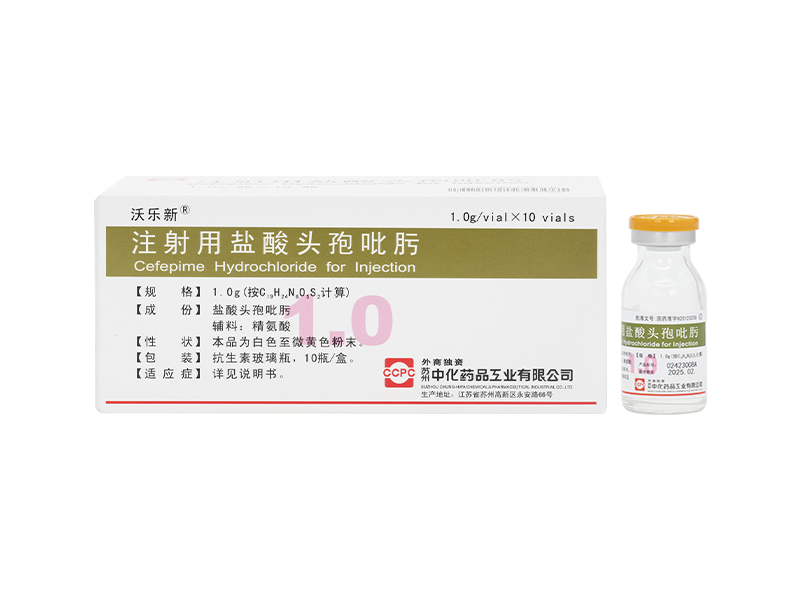 Wolexin® Cefepime Hydrochloride for Injection
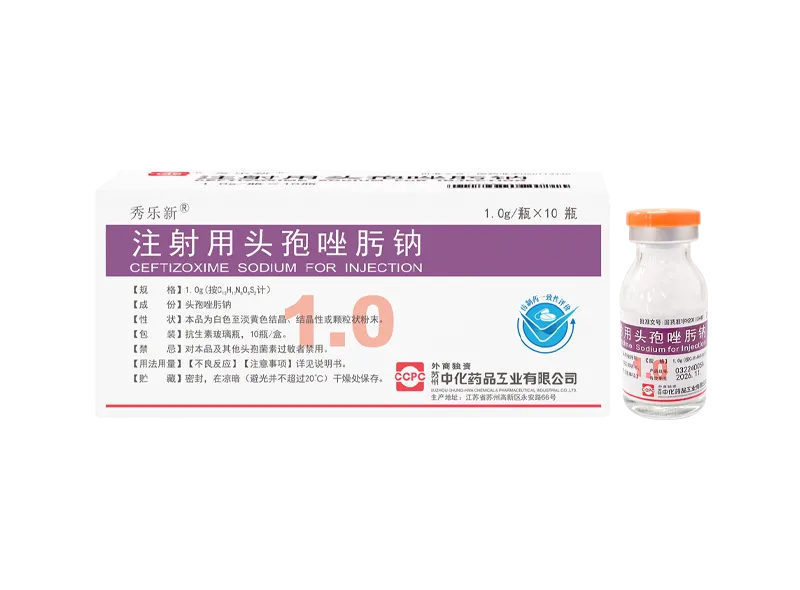 Xiulexin® Ceftizoxime Sodium for Injection
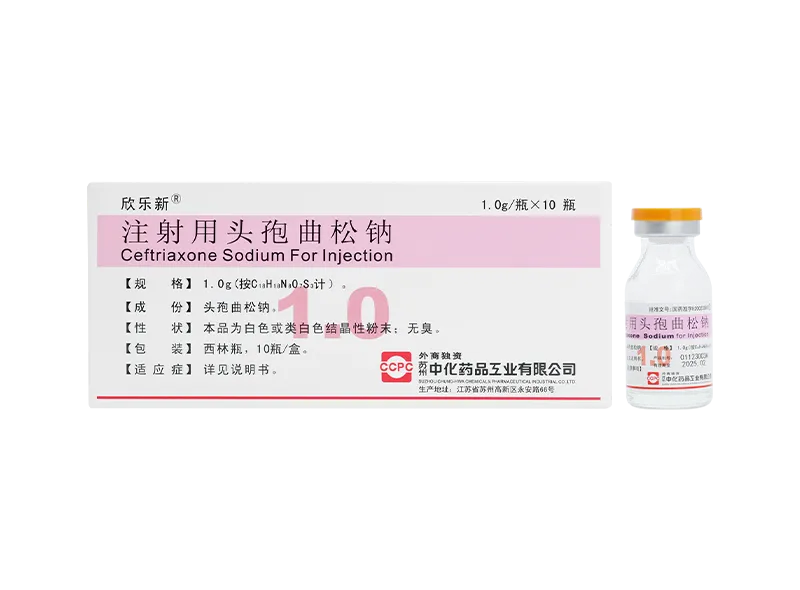 Xinlexin® Ceftriaxone Sodium for Injection
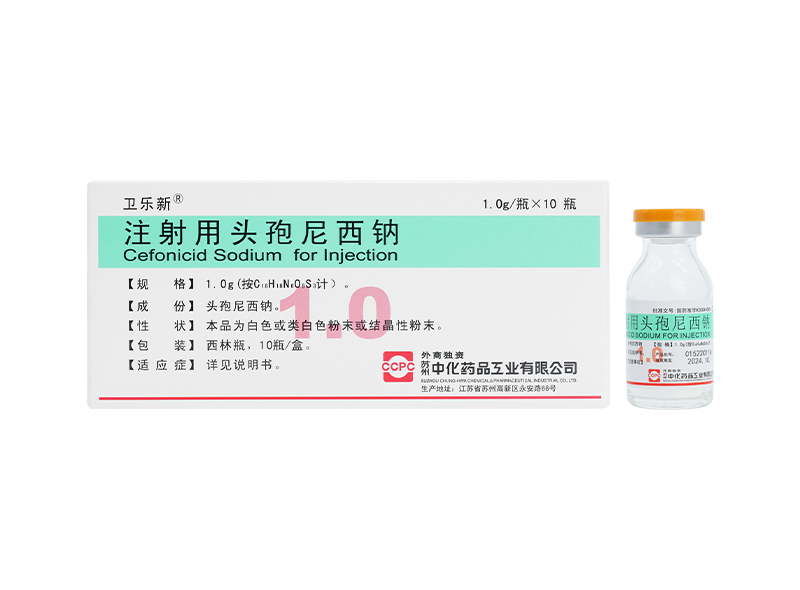 Weilexin® Cefonicid Sodium for Injection
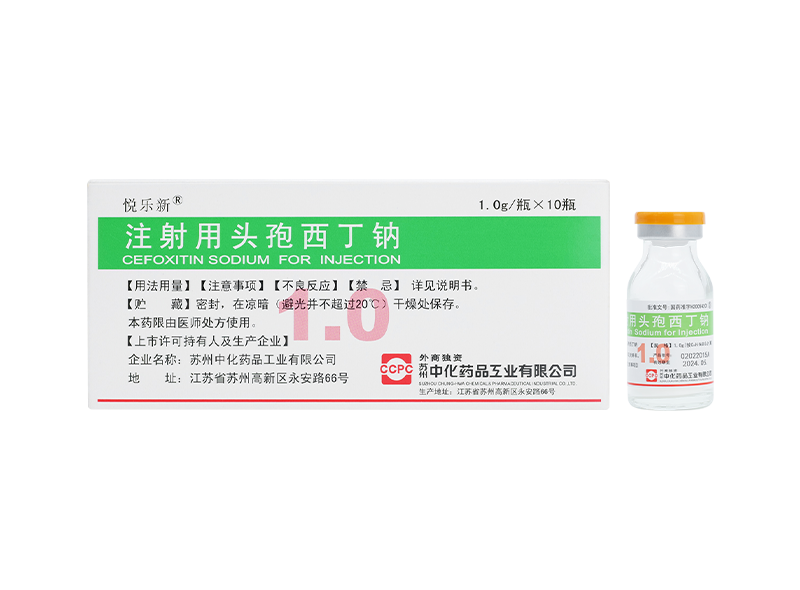 Yuelexin® Cefoxitin Sodium for Injection
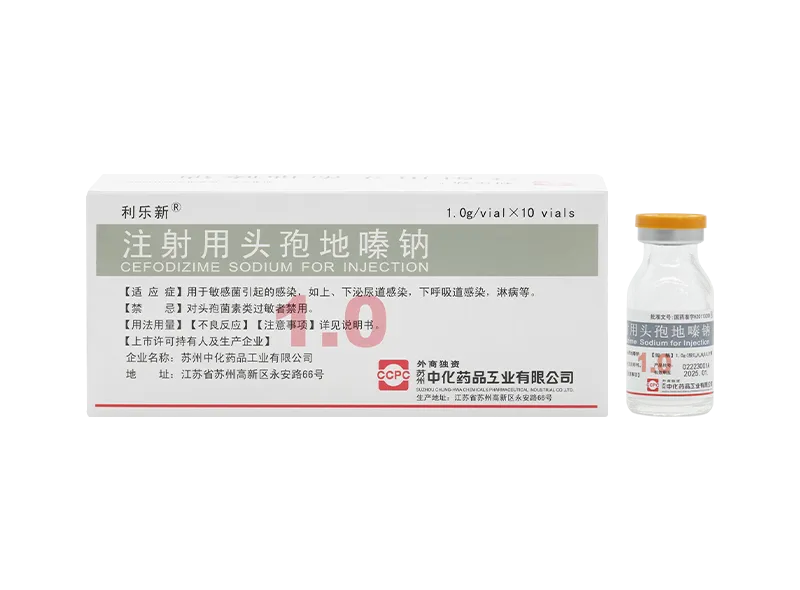 Lilexin® Cefodizime Sodium for Injection
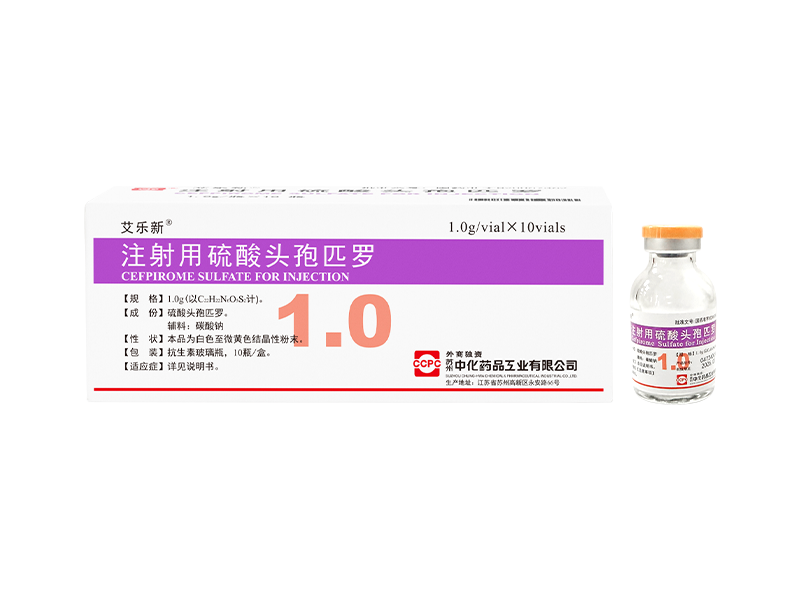 Ailexin® Cefpirome Sulfate for Injection